Frozen shoulder treatment at home, Frozen shoulder (adhesive capsulitis) is a painful, progressive stiffness of the shoulder joint, often lasting 1–3 years. Home-based physiotherapy focuses on gentle shoulder mobilization, stretching and strengthening exercises, tailored education, and pain relief techniques to improve motion and function. A physiotherapist can guide you through appropriate exercises (e.g. pendulum swings, wall climbs, assisted stretches) and manual techniques while you recover at home. Consistent therapy and home exercises can significantly improve pain and range of motion and may prevent long-term disability. Healfast’s expert therapists provide personalized frozen shoulder care at home across Delhi NCR.
Frozen shoulder is not just simple shoulder pain; it involves thickening and tightening of the shoulder capsule, leading to severe stiffness. This comprehensive guide explains symptoms, causes, physiotherapy interventions, and recovery timeline for frozen shoulder, plus practical information on Healfast’s home-based service in Delhi NCR.
What Is Frozen Shoulder (Adhesive Capsulitis)?
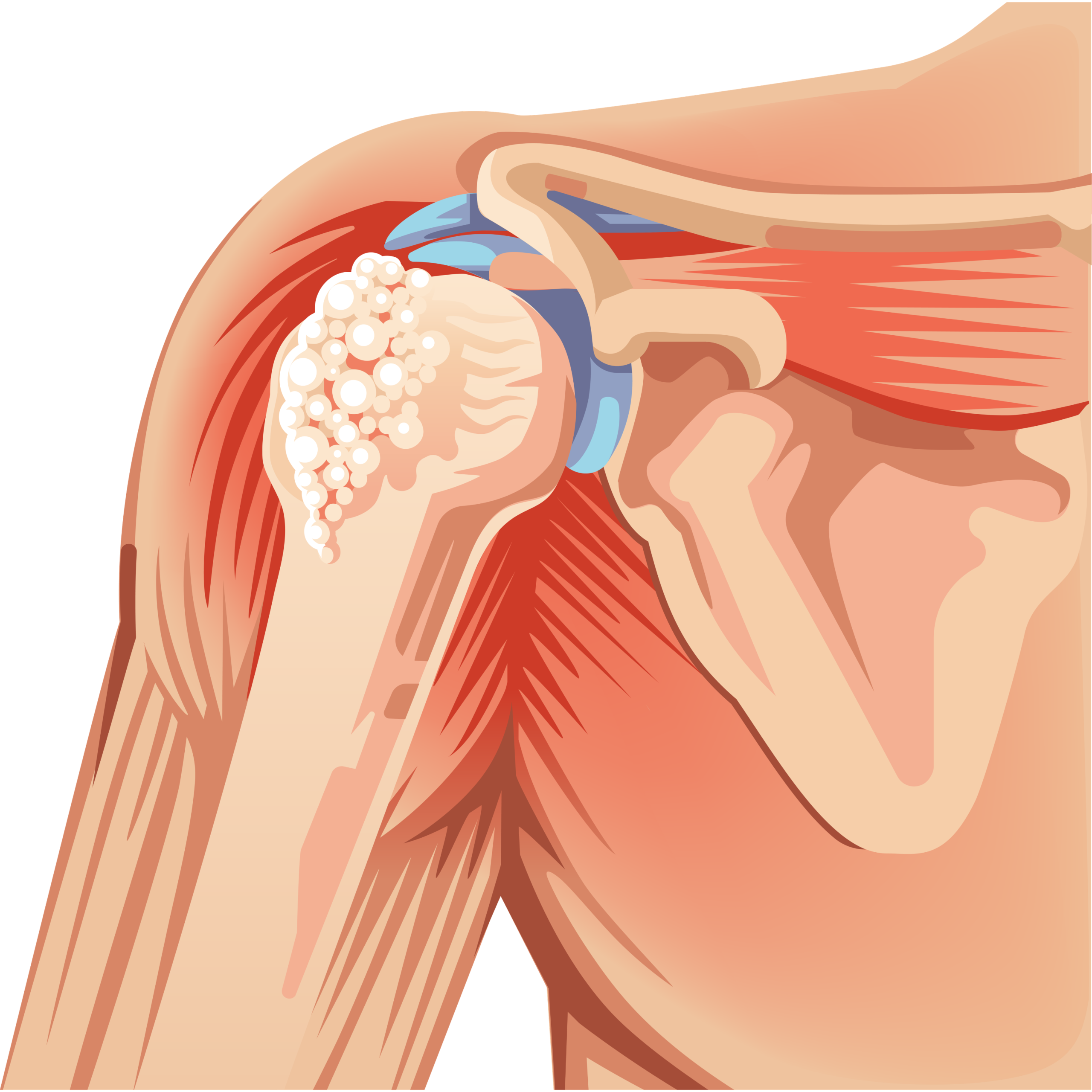
Frozen shoulder, medically known as adhesive capsulitis, is a condition where the connective tissues of the shoulder capsule (especially the rotator interval and coracohumeral ligament) become inflamed, thickened and contracted. As the capsule tightens, both active and passive motion become restricted, leading to progressive stiffness. The classic “frozen shoulder” cycle involves stages:
- Freezing (Painful) Stage (0–3 months) – Gradual onset of significant shoulder pain, especially at night and with movement, with early loss of motion.
- Frozen (Stiff) Stage (3–9 months) – Pain may lessen, but stiffness is marked. Shoulder ROM (especially external rotation and abduction) is greatly limited, making daily tasks difficult.
- Thawing (Recovery) Stage (9+ months) – Pain further decreases and motion slowly improves over many months. Full or near-full range may return over 1–3 years.
In many cases, frozen shoulder evolves gradually without a clear injury. The condition is often self-limiting: symptoms typically resolve within 1–3 years. However, up to 20–50% of people may have lingering stiffness or pain without treatment. Early physiotherapy aims to speed recovery and prevent chronic disability.
Symptoms of Frozen Shoulder
Frozen shoulder symptoms can be subtle at first, then progressively disabling:
- Shoulder Pain: Often a dull ache that worsens at night or with movement. In the freezing stage, pain gradually increases.
- Stiffness: Increasing difficulty lifting the arm, reaching overhead, reaching behind the back (e.g. to fasten a bra or reach a back pocket), or combing hair.
- Limited Range of Motion: Both active and passive shoulder motion are reduced (the therapist cannot move the arm more than the patient can).
- Difficulty Sleeping: Lying on the affected side can be painful. Night pain is common in the early stage.
- Functional Impairment: Tasks like dressing, grooming, driving, or carrying objects may become slow or impossible.
Symptoms evolve over time. Early on, pain is the main problem. Later, stiffness dominates and makes even simple movements hard. Patients often say their shoulder feels “frozen” in place. A proper assessment by a physiotherapist can confirm the diagnosis (limited passive and active ROM in all directions) and rule out other conditions (like arthritis or rotator cuff tear).
Causes and Risk Factors of Frozen Shoulder
The exact cause of frozen shoulder remains unclear. However, known risk factors and contributing factors include:
- Age & Sex: Most common in ages 40–60; women are affected more than men.
- Immobility: Keeping the shoulder immobile (e.g. due to injury, fracture, surgery, or stroke) can trigger stiffness. Lack of movement leads to capsule tightening.
- Diabetes: People with diabetes (Type 1 or 2) have a much higher risk – up to ~20% of diabetics develop adhesive capsulitis. Recovery in diabetic frozen shoulder may also be slower.
- Thyroid Disorders: Hypothyroidism and hyperthyroidism are associated risk factors.
- Other Conditions: Cardiovascular disease, Parkinson’s disease, Dupuytren’s disease, and autoimmune diseases have been linked.
- Trauma or Surgery: A previous shoulder injury, surgery or fracture (especially when immobilized) increases the chance of developing frozen shoulder.
In many patients, there is no obvious cause (idiopathic). However, prolonged shoulder pain (from any source) that limits movement is a red flag – early physiotherapy can often prevent progression to frozen shoulder.
How Physiotherapy Helps with Frozen Shoulder
Frozen shoulder treatment at home, Physiotherapy is a first-line, non-surgical approach to frozen shoulder, especially in the painful and stiff stages. A skilled physiotherapist can reduce pain, improve motion, and restore function through:
- Gentle Stretching and Mobilization: Guided passive and active-assisted ROM exercises help maintain capsule elasticity. For example, pendulum exercises (letting the arm hang and gently swing) can decrease joint stress while improving circulation.
- Joint Mobilization: Techniques like posterior glides and posterior capsule stretches can specifically target tight areas. Posterior glides, for instance, can improve external rotation more than anterior glides.
- Gradual Active Exercises: As pain allows, the therapist will add stronger exercises. These include active shoulder elevation, abduction, and internal/external rotation to build motion. For example, wall climbing (walking fingers up a wall) or towel stretches behind the back.
- Strengthening: Once mobility begins to improve, strengthening the rotator cuff and scapular stabilizers helps support proper shoulder mechanics. Exercises may include shoulder shrugs, gentle weights (if tolerated), or theraband work.
- Pain Management: Modalities like heat packs, TENS, ultrasound or gentle massage may be used to reduce pain and muscle guarding. Ice or heat can also be advised at home for short-term relief.
- Education & Home Program: A key part is teaching patients how to safely move their shoulder during daily activities. The therapist prescribes a home exercise program – simple exercises to do regularly. Studies show home exercise often works as well or better than clinic-only therapy.
- Functional Training: Eventually, therapy incorporates real-life tasks (reaching, lifting) and helps patients return to work or hobbies.
Treatment Approach
At Healfast, frozen shoulder treatment at home follows an individualized, step-by-step process:
- Patient History & Goals: The physiotherapist begins by understanding your shoulder problem—onset of symptoms, activities that aggravate or relieve pain, sleep disturbance, prior injuries/surgeries, and your daily needs (e.g. dressing, work tasks). Frozen shoulder treatment at home.
- Physical Assessment: This includes measuring range of motion (both active and passive), assessing muscle strength, and identifying painful or tight movements. Special tests (e.g. Apley scratch, external rotation lag sign) may confirm capsular involvement.
- Identify Stage: Based on symptoms and findings, the therapist determines if you are in the freezing (painful), frozen (stiff), or thawing (recovery) stage. The stage guides the intensity of treatment.
- Create Plan: A personalized treatment plan is developed. Early on, this may focus on pain relief, gentle mobilizations and low-intensity ROM exercises. As you improve, the plan evolves to include stretching and strengthening.
- Guided Treatment Session: During the home visit, the therapist performs or teaches:
- Stretching Exercises: For example, assisted external rotation, cross-body stretches, and overhead reaches (within comfort).
- Mobilization: Manual glides (e.g. posterior humeral glide) to help loosen the capsule.
- Strength Training: Gentle isometric or theraband exercises for the shoulder girdle.
- Modalities: Use of heat or ultrasound before exercise to relax tissues.
- Postural Corrections: Advice on sitting posture, work ergonomics, and sleeping positions to minimize shoulder stress. Frozen shoulder treatment at home.
- Home Exercise Program: You receive 3–5 specific exercises with clear instructions (often with illustrations or videos). Examples include: pendulum swings, towel behind-the-back stretch, wall crawl, scapular squeezes. Consistency (daily practice) is emphasized.
- Monitoring & Progression: In follow-up sessions, the therapist tracks your progress (motion gains, pain reduction, functional improvements). Exercises are made progressively more challenging as tolerated. If needed, modifications or additional techniques (e.g. neural mobilization if nerve symptoms arise) are added.
Sample Home Exercise Program
While Healfast therapists tailor exercises to each patient, common home exercises include:
- Pendulum Swing: Lean forward, let the affected arm dangle, and gently swing it in small circles or back-and-forth (1-2 minutes). This passive movement helps nutrition and eases stiffness.
- Wall Climbing (Finger Walk): Face a wall and “walk” your fingers up the wall (flexion) as high as possible, hold a few seconds, then slowly back down. Do this 10–15 times.
- Cross-Body Stretch: Use your good arm to gently pull the painful arm horizontally across your chest, stretching the back of the shoulder (to improve internal rotation). Hold 15-30 seconds.
- Towel Stretch (Behind Back): Place a towel behind your back, holding one end with each hand, and gently pull the affected arm upward. Increases arm elevation.
- Posterior Glide (Self-Mobilization): Stand in a doorway, place the back of your hand/forearm on the door frame, and gently lean forward to stretch the back of the shoulder.
- Scapular Squeezes: Squeeze shoulder blades together and hold for 5 seconds to strengthen postural muscles.
- External Rotation (with Towel/Randband): Keeping elbow at side, rotate forearm outward (assisted with a stick/towel) within comfortable range.
- Isometric Strengthening: Press the back of your hand against a wall or doorframe without moving the joint (pushing outward) for 5–10 seconds to activate rotator cuff muscles without motion.
Each exercise might start with 1–2 sets of 10 reps, once or twice daily, adjusting based on pain. The therapist will demonstrate and ensure correct form. As mobility improves, these exercises can be made more challenging (e.g. walking fingers higher, adding light weights or resistance bands). Goals should be measurable – e.g., “increase abduction by 10° in 2 weeks,” or “sleep on side without pain in 4 weeks.”
Benefits of Frozen Shoulder Physiotherapy at Home
Convenience: You receive one-on-one physiotherapy without leaving home. This is especially helpful if reaching the clinic is painful or difficult.
Personalized Care: The therapist can assess and adjust exercises in your real environment – for instance, checking your bedroom posture or workplace ergonomics.
Comfort & Confidence: Many patients feel more at ease stretching and practicing movement at home under the therapist’s guidance.
Holistic Approach: Your daily routine and activities are considered. The therapist can suggest practical modifications (e.g., how to dress or sleep) to minimize shoulder stress.
Progress Tracking: You get focused attention and a structured plan. Regular monitoring helps ensure the program is effective and evolves with you.
Time-saving: No commuting means more time for recovery efforts. We know time is valuable, especially for working individuals and seniors. Frozen shoulder treatment at home.
Integrating Daily Life: Since therapy happens in your surroundings, the therapist can tailor exercises using household items (like towels, walls) and make therapy fit seamlessly into your routine.
These benefits often lead to better adherence and outcomes. In fact, studies suggest that home-based exercise programs for frozen shoulder can be as effective as clinic-based programs. Combined with professional guidance, this approach maximizes your chances of regaining shoulder motion and function safely.
Who Needs Frozen Shoulder Physiotherapy at Home?
Home physiotherapy is suitable for individuals who:
- Have been diagnosed (or clinically suspected) frozen shoulder by a doctor or physiotherapist.
- Experience persistent shoulder pain and stiffness that limits daily tasks (dressing, reaching, driving).
- Are in any stage of adhesive capsulitis (especially the stiffening “frozen” phase).
- Have difficulty accessing a clinic due to mobility issues, distance, or preference.
- Want a personalized rehab plan and guidance rather than generic advice.
- Need extra support to maintain activity safely with minimal pain.
- May have other conditions (diabetes, thyroid, after stroke) that predispose to stiffness.
- Require post-surgical shoulder rehab at home (with surgeon’s clearance).
Physiotherapy can be beneficial at any age but is often most needed by middle-aged adults (40-60) experiencing significant functional loss. However, even seniors or people with comorbidities can safely do tailored exercises. Our therapists will adapt treatment intensity to your health status.
If you’re unsure, we recommend an initial assessment. A physiotherapist can clarify whether home therapy can help your condition and coordinate with your doctor as needed.
Frozen Shoulder Treatment vs Surgical Options
| Conservative (Physiotherapy & Injections) | Surgical/Procedural Options |
|---|---|
| Goal: Improve ROM and reduce pain gradually. | Goal: Rapidly restore motion and relieve pain when conservative care fails. |
| Approach: Guided exercises, manual therapy, and modalities at home. | Options: MUA (manipulation under anesthesia), arthroscopic capsular release. |
| Recovery: Weeks to months of rehab; gradual improvement. Many recover in 1-3 years. | Recovery: Quick initial gain in motion, but requires postoperative rehab. |
| Risks: Minimal (soreness or flare-ups from exercises). Low chance of complications. | Risks: Surgical (anesthesia risks, infection, fractures) and postoperative pain. |
| Costs: Lower cost. Covered by many insurance plans or pay per session. | Costs: High (hospital, surgeon, anesthesia). Not always fully covered. |
| Effectiveness: Good for most cases; 80–90% avoid surgery. Home exercise programs shown effective. | Effectiveness: Good for refractory cases. Studies: improvement in range post-release, but same final outcome at 1 year as injections. |
| Patient Control: You actively participate in recovery daily. | Patient Control: Passive patient during procedure; then rehab guided. |
Note: Studies show that intra-articular steroid injection can give faster short-term relief than physiotherapy, but gains often even out by 6–12 months. Surgery is generally reserved for severe, long-standing cases that have not improved after several months of therapy.
Choosing between physio and surgery depends on individual factors. Home physiotherapy is non-invasive and involves no downtime, making it the recommended first approach for most cases. In many cases, frozen shoulder can improve significantly without surgery.
Home Session Process
- Booking: Contact Healfast via call or WhatsApp. Provide your location and brief description (e.g. “frozen shoulder symptoms,” any relevant medical info).
- Physiotherapist Visit: We schedule a home visit from a licensed physiotherapist in Delhi NCR.
- Initial Assessment: During the session, the therapist reviews your history, examines shoulder motion and function.
- Treatment & Exercise: Appropriate treatments (mobilizations, exercises, manual techniques) are given. The therapist teaches you home exercises and tips.
- Plan & Follow-up: A personalized plan is set, including a home exercise regimen. Progress is monitored in follow-up visits.
- Ongoing Support: Therapists are available for questions (e.g. via call/WhatsApp) between visits to adjust the program if needed.
Each session typically lasts 45–60 minutes. The therapist brings any necessary small equipment (bands, pillows). You should have a clear space (e.g. living room) to move freely.
For tele-rehabilitation questions or mixed sessions (in-person + video), please inquire with Healfast.
Why Choose Healfast?
- Expert Home-Based Care: We specialize in bringing physiotherapy to your home in Delhi NCR. No travel needed.
- Personalized Approach: Treatment plans are tailored to your specific shoulder condition, stage of frozen shoulder and recovery goals.
- Professional Team: Our licensed physiotherapists have experience managing frozen shoulder and can adapt techniques for home settings.
- Patient Education: We emphasize understanding your condition – how to manage pain, exercise correctly, and avoid harmful movements.
- Convenience & Safety: Ideal for busy professionals, elderly, or anyone facing mobility issues. You receive one-to-one guidance without leaving home.
- Progress Monitoring: We track your improvements and adjust exercises over time, ensuring optimal recovery.
- Local Expertise: We understand the Delhi NCR community’s needs and provide prompt service in your area.
Healfast is committed to your recovery. Our mission is not just to relieve your pain today, but to restore shoulder movement and help you resume normal activities.
Frozen Shoulder Physiotherapy at Home in Delhi NCR
Healfast provides home physiotherapy services across Delhi NCR, subject to therapist availability. We cover major areas:
- Delhi (Central Delhi, South Delhi, East Delhi, etc.) – Personalized frozen shoulder therapy at home for residents across Delhi city.
- Noida – Home physiotherapy for adhesive capsulitis available in Noida sectors (serviceable areas).
- Greater Noida – Tailored frozen shoulder rehab for Greater Noida localities.
- Ghaziabad – Home visits for frozen shoulder patients in Ghaziabad areas.
- Gurgaon / Gurugram – Complete shoulder physiotherapy at home in Gurgaon neighborhoods.
- Faridabad – Home-based frozen shoulder treatment for Faridabad zones.
Not sure if we cover your exact locality? Contact us to check availability. We aim to serve all Delhi NCR locations where our therapists operate.
When to Seek Medical Advice
Most frozen shoulder cases do not indicate a serious problem, but certain red flags require prompt medical attention:
- Sudden Severe Pain after trauma (fall, accident) – may signal a fracture or dislocation.
- Neurological Symptoms: New or worsening numbness, tingling, or weakness in the arm or hand is uncommon in isolated frozen shoulder. It could suggest nerve injury or spinal issues.
- Loss of Function: Inability to raise the arm at all (complete paralysis) should be evaluated urgently.
- Signs of Infection: Fever, redness, or swelling around the shoulder joint (these are rare in frozen shoulder but common in septic arthritis).
- No Improvement with Time: If shoulder function does not improve at all after many months, a doctor can re-evaluate (e.g., check for arthritis or other causes).
- Diabetes or Other Conditions: If you have diabetes, thyroid or other conditions, coordinate with your doctor for medical management, since these may influence recovery.
Always communicate with your healthcare providers. Physiotherapy complements but does not replace medical care. For example, an injection or surgery might be recommended if conservative measures fail after 3–6 months.
Frequently Asked Questions
Q: Can physiotherapy help with frozen shoulder?
A: Yes, physiotherapy can greatly help. While frozen shoulder often improves slowly on its own, guided exercises and mobilizations help speed recovery, relieve pain and improve motion.
Q: Do I need a doctor’s referral?
A: A referral is not usually required for physiotherapy. However, if you have underlying issues (diabetes, severe pain), a consultation with a doctor is advisable first. Healfast can liaise with your physician if needed.
Q: How many sessions are needed?
A: Every case is different. Some people improve with just 4–6 sessions plus home exercises. Others may need more. Typically, a 4–8 week course (weekly or biweekly) is common, followed by tapering. Your physiotherapist will suggest the number based on progress.
Q: What if my shoulder is very painful?
A: Early on, treatment focuses on pain relief (ice/heat, gentle exercises, possibly coordination with your doctor on medications or injections). We do not push through severe pain. Therapy intensity is adjusted to what you can tolerate.
Q: Should I stop using my shoulder completely?
A: No. Keeping completely immobilized can worsen stiffness. Your therapist will guide you on safe activity.
Q: Is home physiotherapy safe for elderly patients?
A: Absolutely. In fact, home therapy is often ideal for older adults who may find travel difficult. Our therapists are trained to work with patients of all ages and adapt exercises to individual capability.
Q: Will frozen shoulder ever fully go away?
A: Many patients regain near-normal motion and function. With proper physiotherapy, most see significant improvements.
Q: Can I perform exercises myself?
A: Yes. We will teach you safe exercises to do daily. However, guidance from a physiotherapist ensures you are doing them correctly and progressing appropriately. Random internet exercises may not suit your stage.
Book Frozen Shoulder Treatment at Home
Healfast Frozen Shoulder Physiotherapy at Home – moving you from pain to progress.
- Assessment & Personalized Plan: Every patient is different. We create a rehab plan around your condition and goals.
- Expert Home Care: Licensed physiotherapists come to you in Delhi NCR.
- Convenient & Safe: Forget clinic traffic. Get therapy in your own home.
- Results-Focused: Improve shoulder motion, reduce pain, regain function.
Take action now: Don’t let stiff, painful shoulders hold you back. With targeted physiotherapy, many patients avoid surgery and return to normal life faster.
Contact Healfast: Book a home session or WhatsApp us to learn more. We serve Delhi, Noida, Greater Noida, Ghaziabad, Gurgaon/Gurugram, Faridabad and surrounding areas.
Healfast – Your Partner in Recovering Shoulder Mobility.