Personalized Slip Disc Physiotherapy at Home for Back Pain, Leg Pain, Nerve-Related Symptoms, Stiffness and Mobility Problems
Slip Disc Physiotherapy at Home in Delhi NCR, A slip disc can affect much more than your lower back. Depending on the location and severity of the disc problem, you may experience back pain, buttock pain, leg pain, tingling, numbness, stiffness or weakness. These symptoms can make everyday activities such as sitting, walking, bending, working, driving and sleeping difficult.
The good news is that not every person with a disc problem requires surgery. Many people with appropriate symptoms can be managed with conservative care, exercise, activity modification and rehabilitation. However, the right treatment depends on the individual’s symptoms, clinical findings and overall condition.
Healfast provides Slip Disc Physiotherapy at Home in Delhi NCR, allowing eligible patients to receive personalized physiotherapy and rehabilitation in the comfort of their home.
Our approach focuses on understanding your symptoms, assessing your movement and functional limitations, improving appropriate strength and mobility, and gradually helping you return to your normal activities.
🏠 Home Physiotherapy | 🎯 Individualized Rehabilitation | 📍 Delhi NCR
What Is a Slip Disc and How Does It Cause Pain?
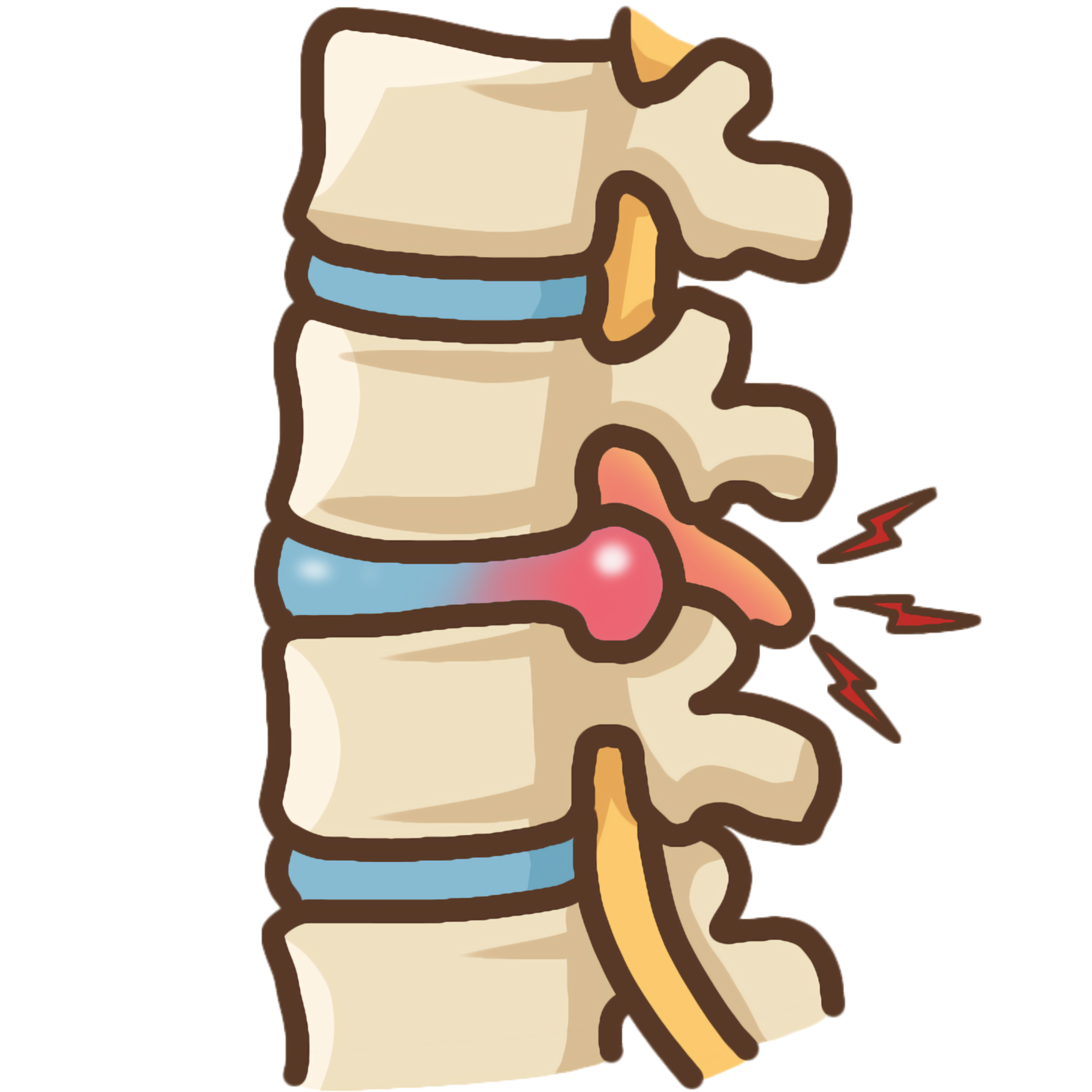
The spine is made up of a series of bones called vertebrae. Between many of these vertebrae are soft structures called intervertebral discs.
These discs help:
- Absorb loads
- Allow movement between vertebrae
- Provide cushioning
- Distribute forces through the spine
Each disc has an outer layer and a softer inner portion.
Sometimes, part of a disc can bulge or herniate beyond its normal boundaries. When this affects or irritates nearby structures, particularly a spinal nerve, it can produce symptoms.
The term “slip disc” is commonly used by patients, although healthcare professionals may use terms such as:
- Disc bulge
- Disc protrusion
- Disc herniation
- Herniated disc
- Disc-related nerve irritation
Importantly, a disc bulge or herniation seen on an MRI does not automatically mean that it is the cause of your pain. Some people can have disc changes without experiencing symptoms.
Therefore, symptoms, physical examination and medical history should be considered together.
Understanding How a Disc Problem Can Cause Symptoms
When a disc changes position, several things can happen.
Local Back Symptoms
The surrounding tissues may become sensitive, potentially contributing to localized lower back pain or discomfort.
Nerve Irritation
If a disc affects a nearby spinal nerve, symptoms may travel beyond the back.
This can result in:
- Buttock pain
- Leg pain
- Tingling
- Numbness
- Weakness
Movement Changes
Pain or fear of movement can sometimes cause a person to change how they sit, stand, walk or bend.
Over time, reduced activity may contribute to:
- Muscle weakness
- Reduced mobility
- Lower physical capacity
- Reduced confidence with movement
This is one reason why appropriately planned rehabilitation can be useful.
Common Slip Disc Symptoms and Warning Signs
Symptoms depend on the location of the disc problem and whether a nerve is involved.
Common Symptoms
Lower Back Pain
Pain may be localized around the lower back.
Buttock Pain
Some individuals experience pain or discomfort around one side of the buttock.
Leg Pain
If a spinal nerve is irritated, pain may travel from the lower back or buttock into the thigh, calf or foot.
Tingling
You may experience pins-and-needles or unusual sensations.
Numbness
Some people experience reduced sensation in parts of the leg or foot.
Muscle Weakness
Nerve involvement can sometimes affect the strength of specific muscles.
Stiffness
The lower back may feel stiff, especially after prolonged sitting or resting.
Difficulty Sitting
Some people find prolonged sitting uncomfortable.
Difficulty Bending
Certain bending or lifting activities may aggravate symptoms.
Difficulty Walking
Pain, weakness or altered movement may reduce walking tolerance.
Symptoms Can Vary From Person to Person
One person may experience only mild back pain, while another may have significant leg symptoms.
For example:
Mohan
Lower back stiffness without leg symptoms.
Sohan
Lower back pain with buttock and leg pain.
Sujit
Leg pain with tingling or numbness.
Amit
Pain accompanied by significant weakness.
Therefore, treatment should not be based only on the MRI report or the phrase “slip disc.”
Instead, your symptoms and physical function should be assessed individually.
Common Causes & Contributing Factors
A disc problem can develop gradually or sometimes become noticeable after a particular movement or activity.
Age-Related Changes
As we get older, discs can naturally change in their structure and hydration.
These changes do not always cause pain.
Repeated Bending
Repeated bending and loading of the lower back may contribute to physical stress on the spine.
Heavy Lifting
Sudden or heavy lifting can place substantial demands on the lower back.
Twisting Movements
Combining bending and twisting under load can increase physical demands on the spine.
Sudden Increase in Activity
Rapidly increasing exercise, work or lifting loads may exceed the body’s current physical capacity.
Previous Back Problems
A history of back pain may sometimes be associated with recurring symptoms.
Reduced Physical Activity
Low levels of physical activity may contribute to reduced strength and physical capacity.
Occupational Demands
Jobs involving:
- Heavy lifting
- Repetitive bending
- Long periods of sitting
- Driving
- Physical labour
may place different demands on the back.
However, there is rarely one single cause that explains every case.
Risk Factors for Disc-Related Back Problems
Certain factors may contribute to the development or persistence of back problems.
These may include:
- Increasing age
- Physically demanding work
- Repetitive lifting
- Prolonged sitting
- Low physical activity
- Previous back problems
- Sudden increases in physical workload
- Reduced muscle strength
- Poor physical conditioning
However, having one or more of these factors does not necessarily mean that a disc problem will develop.
How Slip Disc Physiotherapy at Home Can Help
Physiotherapy can be an important component of conservative rehabilitation for appropriate patients.
The goal is not simply to “push the disc back”.
Instead, physiotherapy may focus on:
Pain & Symptom Management
Helping you understand and manage activities that aggravate your symptoms.
Mobility
Working on appropriate movement where stiffness or movement restriction is present.
Strength
Building the strength and physical capacity required for everyday activities.
Nerve-Related Symptoms
When appropriate, rehabilitation may address nerve-related movement and sensitivity.
Functional Recovery
Gradually returning to:
- Walking
- Work
- Household activities
- Exercise
- Sports
- Normal daily routines
Treatment Techniques That May Be Used
The exact treatment depends on your assessment.
Therapeutic Exercise
Exercise is often an important component of rehabilitation.
It may include:
- Core exercises
- Hip strengthening
- Leg strengthening
- Mobility exercises
- Functional exercises
- Progressive resistance exercises
Neural Mobility Exercises
For selected patients with nerve-related symptoms, a physiotherapist may use specific neural mobility techniques.
These should be individualized because nerve symptoms can respond differently depending on the person.
Manual Therapy
Hands-on techniques may be used when clinically appropriate.
Manual therapy is generally considered as one component of rehabilitation rather than a standalone solution.
Movement Education
You may learn how to modify:
- Sitting
- Bending
- Lifting
- Walking
- Sleeping positions
- Work activities
according to your symptoms and functional requirements.
Progressive Loading
As your symptoms improve, your physical activity can gradually be increased.
Treatment Approach at Healfast
At Healfast, the treatment process should be based on assessment, education and progressive rehabilitation.
Step 1 — Detailed Consultation
First, your physiotherapist understands your symptoms and history.
Questions may include:
- When did your symptoms begin?
- Where is the pain?
- Does the pain travel into your leg?
- Do you experience tingling?
- Is there numbness?
- Have you noticed weakness?
- What movements increase symptoms?
- What makes symptoms better?
- How long can you sit?
- How far can you walk?
- Have you had an MRI?
- Have you previously received treatment?
- What activities do you want to return to?
Step 2 — Physical Assessment
Next, the physiotherapist may assess relevant:
- Spinal movement
- Hip movement
- Muscle strength
- Flexibility
- Walking
- Functional movement
- Neurological signs where appropriate
The assessment helps establish a baseline for rehabilitation.
Step 3 — Education
Understanding your condition is an important part of rehabilitation.
Your physiotherapist can explain:
- What your symptoms may indicate
- Which activities may aggravate symptoms
- Which activities can usually be continued
- How to gradually increase activity
- How to perform prescribed exercises
Step 4 — Personalized Physiotherapy Assessment at Home
Based on the assessment, your physiotherapist develops an individualized treatment plan.
This may include:
- Therapeutic exercises
- Mobility exercises
- Strengthening
- Neural mobility where appropriate
- Manual techniques where appropriate
- Functional training
- Activity guidance
Step 5 — Slip Disc Exercises and Movement Therapy
You may receive exercises to continue between physiotherapy sessions.
The program can be modified as your condition changes.
Step 6 — Progression
As you improve, exercises can gradually become more challenging.
The aim is to build enough physical capacity to return to your normal activities.
What Exercises Are Used for Slip Disc?
There is no single “best exercise” for every slip disc patient.
Depending on your symptoms and assessment, exercises may include:
Lower Back Mobility
Gentle movement exercises may be used where appropriate.
Core Strengthening
Progressive trunk exercises can improve physical capacity.
Hip Strengthening
Strong hip muscles support many lower-body movements.
Leg Strengthening
This can be particularly important if activity has been reduced or weakness is present.
Neural Mobility
Specific nerve-mobility exercises may be appropriate for selected patients.
Walking
Gradual walking can form part of rehabilitation when tolerated.
Functional Training
Exercises can eventually progress toward activities such as:
- Squatting
- Lifting
- Stairs
- Work tasks
- Sports activities
The exercise selection should be individualized.
Benefits of Slip Disc Physiotherapy at Home
🏠 Convenient Treatment
Receive physiotherapy in the comfort of your home.
🎯 Individualized Rehabilitation
Your treatment plan is based on your symptoms, assessment and goals.
💪 Improve Physical Capacity
Progressive exercises can help build strength and endurance.
🚶 Improve Functional Mobility
Rehabilitation can focus on walking, standing, bending and other daily activities.
🧠 Better Understanding of Your Condition
Education can help you understand symptoms and participate more confidently in your rehabilitation.
⏰ Reduced Travel
Home visits eliminate the need for regular travel to a clinic.
👴 Convenient for Mobility-Limited Patients
Home physiotherapy can be particularly practical for elderly patients and people who have difficulty travelling.
Who Needs Slip Disc Physiotherapy at Home?
Home physiotherapy may be useful for individuals who have:
- Diagnosed disc-related problems
- Lower back pain
- Back pain with leg symptoms
- Sciatic-type symptoms
- Reduced mobility
- Back stiffness
- Muscle weakness
- Difficulty walking
- Difficulty sitting
- Difficulty travelling to a clinic
- Reduced physical activity following back pain
However, the suitability of physiotherapy depends on your individual symptoms and assessment.
Slip Disc & Daily Life
A disc-related problem can affect normal activities.
Sitting
Long periods of sitting may aggravate symptoms for some people.
Your physiotherapist can help you find practical ways to vary positions and manage sitting tolerance.
Walking
Walking can become difficult when pain or weakness is present.
Gradual activity progression may help rebuild walking tolerance.
Bending
You may temporarily modify certain bending activities depending on your symptoms.
Over time, rehabilitation can focus on restoring comfortable movement.
Lifting
Instead of avoiding lifting forever, rehabilitation can gradually build the physical capacity required for appropriate lifting.
Work
Your rehabilitation program can consider the physical demands of your job.
Exercise
Returning to exercise should generally be gradual and appropriate for your condition.
Slip Disc Physiotherapy After Surgery
Some patients undergo spinal surgery for specific conditions.
After surgery, rehabilitation may focus on:
- Mobility
- Walking
- Strength
- Functional movement
- Gradual return to activities
The exact rehabilitation program depends on the type of surgery, medical instructions and individual recovery.
Post-surgical physiotherapy should follow the treating surgeon’s precautions and recommendations.
Book Slip Disc Physiotherapy at Home in Delhi NCR
1. Book Your Appointment
Contact Healfast and share your location and basic information about your condition.
2. Home Visit
A physiotherapist visits your home according to service availability.
3. Assessment
Your symptoms, movement and functional limitations are assessed.
4. Treatment Plan
A personalized rehabilitation program is developed.
5. Physiotherapy Session
The session may include appropriate exercises, mobility work, manual techniques and education.
6. Home Exercises
You may receive exercises to continue between sessions.
7. Progress Review
Your response is monitored and the program can be adjusted.
Why Choose Healfast?
🏠 Slip Disc Physiotherapy At Home
Get professional physiotherapy without travelling regularly to a clinic.
🎯 Personalized Rehabilitation
Treatment is based on your individual symptoms and recovery goals.
👨⚕️ Professional Guidance
Exercises and movement strategies are provided with appropriate physiotherapy guidance.
📚 Patient Education
Understanding your condition can help you participate actively in your rehabilitation.
💪 Progressive Approach
Treatment can gradually progress as your physical capacity improves.
❤️ Patient-Centered Care
The program considers your lifestyle, daily activities and functional goals.
📍 Delhi NCR Focus, Slip Disc Physiotherapy At Home
Healfast provides home physiotherapy services across selected areas of Delhi NCR, subject to availability.
Slip Disc Physiotherapy at Home in Delhi NCR
Healfast provides home physiotherapy services across selected areas of Delhi NCR, depending on therapist availability.
Home Physiotherapy for Slip Disc in Delhi
Home-based physiotherapy for eligible patients looking for rehabilitation for disc-related back problems.
Slip Disc Physiotherapy in Noida and Greater Noida
Personalized slip disc physiotherapy at home for selected locations. Home rehabilitation for eligible patients in selected areas.
Slip Disc Physiotherapy in Ghaziabad and Faridabad
Home physiotherapy for slip disc and related mobility problems in selected locations. Slip disc rehabilitation at home for selected locations.
Home Physiotherapy for Slip Disc in Gurgaon and Gurugram
Home-based physiotherapy for eligible patients in selected areas.
Not sure whether your locality is covered? Contact Healfast to confirm home-visit availability before booking.
When Should You Seek Medical Help?
While many back problems can be managed conservatively, certain symptoms require prompt medical evaluation.
Seek urgent medical attention if you develop:
- New loss of bladder or bowel control
- Numbness around the groin or saddle region
- Severe or rapidly worsening weakness
- Significant difficulty walking
- Severe symptoms after major trauma
- Rapidly worsening neurological symptoms
These symptoms may indicate a potentially serious neurological problem.
Do not rely solely on home exercises or routine physiotherapy when these warning signs are present.
Slip Disc Physiotherapy FAQs
What is a slip disc?
“Slip disc” is a commonly used term for disc bulging or herniation. In some cases, a disc can irritate nearby spinal nerves and produce back or leg symptoms.
Is a slip disc the same as a herniated disc?
The terms are often used interchangeably by the public. Healthcare professionals may use more specific terms such as disc bulge, protrusion or herniation depending on the findings.
Can physiotherapy treat a slip disc?
Physiotherapy can form an important part of conservative rehabilitation for appropriate patients. Treatment focuses on symptoms, movement, strength and functional recovery rather than simply trying to reposition the disc.
Does every slip disc require surgery?
No. Treatment depends on the individual’s symptoms, clinical findings and medical assessment. Some cases can be managed conservatively, while certain cases may require specialist or surgical evaluation.
Can a slip disc cause leg pain?
Yes. When a spinal nerve is irritated, pain may travel from the lower back or buttock into the leg.
Can slip disc cause numbness?
Nerve involvement can sometimes cause numbness or altered sensation. Persistent or worsening numbness should be professionally assessed.
Can slip disc cause weakness?
Yes, nerve involvement can sometimes cause muscle weakness. New or worsening weakness requires appropriate medical evaluation.
Can I walk with a slip disc?
Walking tolerance varies between individuals. Where appropriate, gradual activity may form part of rehabilitation, but your activity level should be guided by your symptoms and professional assessment.
Should I take complete bed rest?
Prolonged bed rest is not appropriate for everyone with back pain. Your physiotherapist or doctor can advise you about suitable activity levels based on your condition.
Can I exercise with a slip disc?
Exercise can be an important part of rehabilitation. However, the appropriate exercises depend on your symptoms, physical condition and assessment.
How long does slip disc physiotherapy take?
Recovery time varies considerably. It depends on factors such as symptoms, nerve involvement, physical condition, activity level and rehabilitation progress.
How many physiotherapy sessions will I need?
There is no fixed number. Your physiotherapist can review your progress and modify the rehabilitation plan according to your needs.
Can I get slip disc physiotherapy at home?
Yes. Healfast provides home physiotherapy in selected areas of Delhi NCR, subject to service availability.
Does Healfast provide slip disc physiotherapy in Noida?
Healfast provides home physiotherapy in selected areas of Delhi NCR. Contact the team to confirm availability for your specific Noida locality.
Does Healfast provide home physiotherapy in Gurgaon?
Home physiotherapy is available in selected areas of Delhi NCR, subject to therapist availability. Contact Healfast to confirm coverage in your locality.
Book Slip Disc Physiotherapy at Home
Get Personalized Slip Disc Rehabilitation at Home
Living with back pain, leg symptoms or movement limitations can make everyday life difficult.
Instead of relying on generic exercises found online, get your condition assessed and follow a rehabilitation program designed around your individual needs.
Healfast provides personalized Slip Disc Physiotherapy at Home across selected areas of Delhi NCR.
Take the Next Step Towards Better Movement
📞 Book a Home Physiotherapy Session
💬 Talk to Healfast on WhatsApp
📍 Delhi | Noida | Greater Noida | Ghaziabad | Gurgaon/Gurugram | Faridabad