
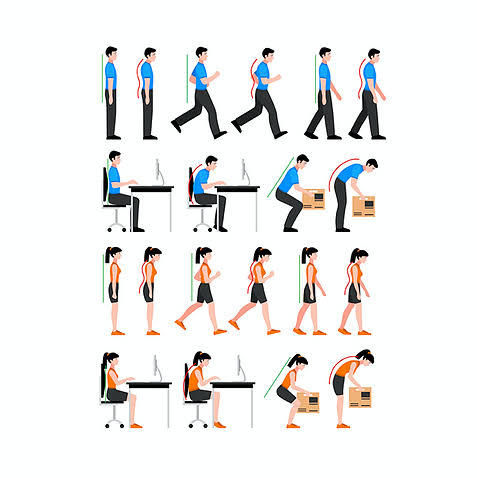
Posture Correction Physiotherapy at Home in Delhi NCR
Posture Correction Physiotherapy at Home in Delhi NCR, Poor posture can affect the way you sit, stand, walk, work, exercise, and even sleep. Many people spend several hours every day sitting at a desk, using a laptop, looking at a phone, driving, or working in one position. Over time, these habits can change the way your muscles work and how your body distributes load during movement. You may notice rounded shoulders, a forward head position, an increased curve in the lower back, stiffness, muscle tightness, or discomfort around the neck, shoulders, and back.
HealFast Physiotherapy provides personalized posture correction physiotherapy at home in Delhi NCR. A physiotherapist can assess your posture, movement patterns, muscle strength, flexibility, balance, and daily habits. Based on this assessment, your physiotherapist can create a practical exercise and movement program that fits your lifestyle.
The goal does not involve forcing your body into one “perfect” posture. Instead, physiotherapy focuses on helping you move comfortably, build strength, improve mobility, develop better movement habits, and reduce unnecessary strain during daily activities.
Posture Correction Physiotherapy at Home in Delhi NCR Book a posture assessment at home: +91 84487 77406
What Is Posture Correction?
Posture refers to the way you position your body while sitting, standing, walking, working, exercising, or resting. Your muscles, joints, bones, nervous system, and movement habits all contribute to posture.
Good posture does not mean that you must keep your back completely straight all day. Your body naturally changes position during different activities. You may lean forward while working, bend while picking something up, or shift your weight while standing. These movements form a normal part of daily life.
Posture correction physiotherapy focuses on improving how your body handles these positions and movements.
For example, imagine someone who works on a laptop for eight hours every day. They may gradually move their head forward, round their shoulders, and stay in one position for long periods. Their chest muscles may become tight, while some upper-back muscles may become weaker. The person may then experience neck stiffness or shoulder discomfort.
A physiotherapist can look at the complete movement pattern rather than focusing only on the position of the head or shoulders. The treatment may include mobility exercises, strengthening exercises, movement training, ergonomic advice, breathing exercises, and changes to daily habits.
Why Does Poor Posture Develop?
Posture can change for many reasons. Daily habits often play an important role, but posture also depends on strength, flexibility, previous injuries, activity levels, work demands, age, and individual body structure.
Long periods of sitting can reduce movement variety. When you sit for several hours without changing position, some muscles remain active while others receive less movement. Over time, you may start feeling stiffness when you stand or move.
Phone use can also influence posture. When you repeatedly look down at your phone, your neck stays in a flexed position for extended periods. This habit does not automatically mean that you will develop a serious problem, but long periods in one position can contribute to discomfort for some people.
Workstation setup can also affect movement. A screen that sits too low, a chair that does not support your working position, or a keyboard placed too far away may encourage awkward or uncomfortable positions.
Other factors can include:
- Long hours of desk work
- Frequent mobile phone use
- Driving for extended periods
- Lack of physical activity
- Weak core or upper-back muscles
- Tight muscles
- Previous injuries
- Reduced joint mobility
- Poor lifting habits
- Repetitive work
- Stress-related muscle tension
- Sudden changes in physical activity
- Poor exercise technique
However, posture alone does not explain every case of neck, back, or shoulder pain. A physiotherapist should assess the complete picture before connecting posture with symptoms.
Common Signs That You May Need Posture Correction
Posture problems can appear gradually. You may not notice them until stiffness or discomfort starts interfering with your daily activities.
Some common signs include frequent neck stiffness, rounded shoulders, upper-back tightness, discomfort after sitting for a long time, difficulty maintaining a comfortable sitting position, or repeated tension around the shoulders.
You may also notice that you constantly move your neck or shoulders to find a comfortable position. Some people feel discomfort after using a laptop, while others experience stiffness after driving or watching television.
Common signs can include:
- Forward head position
- Rounded shoulders
- Upper-back stiffness
- Neck stiffness
- Shoulder tightness
- Lower-back discomfort
- Reduced flexibility
- Muscle fatigue while sitting
- Difficulty sitting comfortably for long periods
- Frequent need to change position
- Reduced movement confidence
- Poor sitting or standing habits
- Discomfort after prolonged phone use
These signs can have many causes. A physiotherapy assessment can help identify the movement and lifestyle factors that may contribute to your symptoms.
Forward Head Posture and Neck Alignment
Forward head posture commonly appears in people who spend long periods working on computers or using mobile phones. The head naturally moves forward when you look down or reach toward a screen.
The problem often starts with duration rather than one short period of poor positioning. If you spend several hours in the same position every day, your neck and upper-back muscles may experience repeated strain.
A physiotherapist can assess how your neck moves and how your upper back, shoulders, and surrounding muscles contribute to the position of your head.
Treatment may include neck mobility exercises, upper-back mobility exercises, shoulder strengthening, postural awareness training, and workstation changes.
For example, your physiotherapist may teach you how to position your screen closer to eye level and encourage regular movement breaks. They may also prescribe exercises that help you move your neck and upper back through comfortable ranges. Posture Correction Physiotherapy at Home in Delhi NCR.
Rounded Shoulders and Upper-Back Posture
Rounded shoulders can develop when you spend a lot of time working with your arms in front of your body. Desk work, laptop use, driving, studying, and frequent phone use can all involve this position.
However, rounded shoulders do not automatically indicate a problem. Some people naturally have different shoulder positions without experiencing pain or movement limitations.
A physiotherapist looks at how your shoulders move rather than judging appearance alone.
Posture Correction Physiotherapy at Home in Delhi NCR, Treatment may focus on improving upper-back mobility, strengthening the muscles around the shoulder blades, improving shoulder movement, and changing habits that keep you in one position for too long.
Your program may include exercises such as controlled shoulder movements, upper-back mobility drills, rowing movements, and other strengthening exercises that match your individual needs.
Lower-Back Posture and Sitting Habits
Many people associate posture correction with keeping the lower back completely straight. In reality, your spine naturally has curves, and these curves help your body handle different activities.
The main goal involves improving movement control and comfort rather than maintaining one rigid position throughout the day.
If you sit for long hours, your physiotherapist may assess your chair, desk height, screen position, foot placement, and sitting habits. They may also check how you stand up, walk, bend, and lift objects.
For example, instead of telling you to “sit perfectly” for eight hours, a physiotherapist may help you develop better movement habits. You can change your sitting position, stand periodically, walk for short periods, and perform simple mobility exercises during the workday.
This approach gives your body more movement variety.
How Does Physiotherapy Help With Posture Correction?
Posture correction physiotherapy takes a complete approach. Your physiotherapist does not simply tell you to “sit straight.”
First, your physiotherapist learns about your symptoms, work routine, physical activity, previous injuries, and daily habits. Then they assess your movement.
The assessment may include:
- Sitting posture
- Standing posture
- Neck movement
- Shoulder movement
- Upper-back mobility
- Lower-back movement
- Hip mobility
- Muscle strength
- Muscle flexibility
- Balance
- Walking pattern
- Functional movements
Your physiotherapist then connects these findings with your daily activities.
For example, if you experience neck discomfort after laptop work, your physiotherapist may examine your neck mobility, upper-back movement, shoulder strength, workstation setup, and work habits. This broader assessment helps create a more useful treatment plan.
Posture Correction Exercises
Exercises form an important part of posture rehabilitation. Your physiotherapist selects exercises according to your movement limitations, strength, symptoms, age, activity level, and goals.
A posture exercise program may include mobility exercises, strengthening exercises, flexibility work, balance training, breathing exercises, and functional movement practice.
Upper-Back Mobility Exercises
Upper-back mobility can support comfortable movement of the spine and shoulders. Your physiotherapist may teach controlled movements that help you move the upper back without creating unnecessary strain.
These exercises can become especially useful for people who spend many hours sitting.
Neck Mobility Exercises
Gentle neck movements can help maintain comfortable neck movement. Your physiotherapist may recommend specific exercises if your assessment shows reduced neck mobility.
You should perform these exercises within a comfortable range. Avoid forcing your neck into painful positions.
Shoulder Strengthening Exercises
Strong shoulder and upper-back muscles can help you control arm and shoulder movement during daily activities.
Your physiotherapist may introduce resistance exercises gradually. They can adjust repetitions, resistance, and exercise difficulty as your strength improves.
Core Strengthening
Your core includes muscles around your trunk that contribute to stability and movement control. A stronger and better-coordinated trunk can help you perform everyday activities such as sitting, standing, bending, lifting, and walking.
Your physiotherapist can select appropriate exercises based on your current ability.
Posture Correction Physiotherapy at Home for Office Workers
Office workers often spend a large part of their day sitting. Many people work continuously for several hours without changing position.
This routine can contribute to stiffness and muscle fatigue.
Posture correction for office workers focuses on more than chair positioning. Your physiotherapist can help you create a movement-friendly work routine.
For example, you can:
- Adjust your monitor position.
- Keep frequently used items within easy reach.
- Avoid staying in one position for too long.
- Change your sitting position regularly.
- Take short movement breaks.
- Perform simple mobility exercises.
- Use an appropriate chair and desk setup.
- Strengthen muscles that need more support.
- Improve movement habits outside work.
Your physiotherapist can demonstrate these changes during a home visit and help you apply them to your actual workstation.
Posture Correction for Students
Students often spend several hours studying, attending online classes, reading, or using mobile devices.
A poor study setup can encourage prolonged neck bending, rounded shoulders, and limited movement.
Posture physiotherapy can help students understand how to arrange their study area and introduce simple exercises that support movement and strength.
Instead of asking a student to maintain one fixed posture for several hours, the focus should remain on comfortable positioning, regular movement, appropriate study breaks, and physical activity.
Posture Correction Physiotherapy at Home for People Working From Home
Working from home can create its own posture challenges. People often work from sofas, beds, dining tables, or other temporary setups.
These positions may feel comfortable for a short time but may become uncomfortable when you spend several hours there.
A home physiotherapy session allows your physiotherapist to observe your actual work environment. They can suggest practical adjustments based on your available space.
For example, your physiotherapist may recommend changes to your chair height, laptop position, screen setup, foot support, or working routine.
This approach makes posture correction more practical because you can apply the advice immediately.
Posture Correction Physiotherapy at Home for Neck and Shoulder Pain
Neck and shoulder discomfort can sometimes relate to prolonged static positions, muscle weakness, limited mobility, or repetitive activities.
Physiotherapy can address these factors through a combination of movement and strengthening exercises.
Your physiotherapist may work on neck mobility, upper-back movement, shoulder blade control, shoulder strength, and daily movement habits.
However, neck or shoulder pain can also come from other causes. Your physiotherapist should assess your symptoms before recommending a treatment program.
If you experience severe or unusual symptoms, seek medical evaluation.
Posture Correction for Back Pain
Back pain can have many causes. Posture may contribute to symptoms in some people, but it does not explain every case.
Physiotherapy can help you understand how your back moves during sitting, standing, bending, walking, and lifting.
Your treatment may include mobility exercises, strengthening exercises, movement education, ergonomic changes, and functional training.
For example, if you experience back discomfort while lifting objects from the floor, your physiotherapist can observe your lifting technique and teach you safer movement strategies.
The goal focuses on improving your ability to perform daily activities with greater comfort and confidence.
Posture Correction Physiotherapy After an Injury
An injury can change the way you move. You may unconsciously protect a painful area by shifting your weight or avoiding certain movements.
For example, after an ankle injury, you may place more weight on the other leg. After a shoulder injury, you may reduce arm movement. These changes can influence your overall movement pattern.
Physiotherapy can help you gradually restore comfortable movement and strength.
Your physiotherapist may assess the injured area along with nearby joints and muscles. They can then introduce exercises and functional activities according to your recovery stage.
If you recently had surgery or suffered a significant injury, follow your doctor or surgeon’s restrictions before starting rehabilitation exercises.
Posture Correction for Older Adults
Older adults may experience changes in strength, flexibility, balance, and mobility. These changes can affect everyday movement.
A posture and mobility program can focus on maintaining functional strength and comfortable movement rather than achieving a specific visual posture.
For example, physiotherapy can help an older adult practice standing from a chair, walking safely, turning, reaching, climbing steps, and maintaining balance.
Home physiotherapy can make this process easier because the physiotherapist can work in the person’s familiar environment.
Posture Correction for People With Sedentary Lifestyles
A sedentary lifestyle often means spending long periods sitting or lying down with limited physical activity.
Your body needs regular movement to maintain strength, mobility, coordination, and physical capacity.
Posture correction programs can introduce simple movement into your daily routine. Your physiotherapist can gradually increase exercise difficulty according to your ability.
You do not always need a complicated workout. Small changes can support a more active routine.
For example, short walks, mobility exercises, strengthening exercises, and regular position changes can add useful movement throughout the day.
Posture Correction for Gym and Fitness Enthusiasts
Gym workouts can improve strength and fitness, but exercise technique still matters.
People sometimes repeat the same exercises without enough attention to movement control. Others increase resistance too quickly or ignore mobility limitations.
A physiotherapist can assess your movement during activities such as squats, lunges, pushing, pulling, lifting, and overhead movements.
The goal involves improving movement quality while matching exercises to your current capacity.
If pain appears during exercise, do not simply push through it. Discuss the symptom with a qualified professional.
What Happens During a Home Posture Assessment?
Your first session usually starts with a conversation. Your physiotherapist asks about your symptoms, work routine, physical activity, previous injuries, daily habits, and goals.
Next, the physiotherapist observes your movement. They may assess your sitting, standing, walking, neck movement, shoulder movement, spinal mobility, strength, flexibility, balance, and functional movements.
The physiotherapist then explains the findings in simple language.
For example, instead of simply saying that you have “poor posture,” the physiotherapist may explain that you spend long periods in one position, have limited upper-back movement, or need more strength around certain muscles.
The physiotherapist then creates a personalized plan.
Why Choose Home Posture Correction Physiotherapy?
Home physiotherapy offers one important advantage: the physiotherapist can see the environment where you actually spend your time.
If you work from home, the physiotherapist can observe your workstation. you experience difficulty while getting up from your chair, they can assess that movement in your actual home. If your symptoms appear while using your phone or doing household activities, you can discuss those situations during the session.
This practical approach can make posture advice easier to understand and apply.
You also avoid travel time, which can make regular physiotherapy more convenient for people with busy schedules, older adults, or people recovering from an injury.
What Can You Expect From a Posture Correction Program?
Every person responds differently to physiotherapy. Your progress depends on several factors, including your current strength, mobility, symptoms, daily routine, consistency with exercises, physical activity, and underlying condition.
Your physiotherapist may begin with simple exercises and gradually increase the difficulty.
For example, you may start with gentle mobility exercises and basic strengthening. As your control improves, your physiotherapist may introduce resistance exercises, balance activities, functional movements, and more challenging exercises.
The physiotherapist can also review your home exercise program and modify it when necessary.
The goal does not involve forcing your body into an artificial posture. Instead, the program aims to help you develop better movement capacity and habits that support your everyday activities.
How Long Does Posture Correction Take?
There is no single timeline for posture correction.
Some people notice changes in comfort or movement habits relatively quickly. Others need a longer period because they have significant weakness, stiffness, pain, an old injury, or long-standing movement habits.
Your physiotherapist can review your progress during follow-up sessions.
Instead of focusing only on appearance, you can track practical improvements such as:
- Sitting more comfortably
- Standing with better control
- Reduced stiffness
- Improved neck movement
- Better shoulder movement
- Increased strength
- Improved balance
- Easier walking
- Better exercise technique
- Greater confidence during daily activities
These functional improvements provide useful information about your rehabilitation progress.
When Should You See a Doctor?
Posture-related discomfort does not always require emergency medical care. However, some symptoms need medical evaluation.
Seek prompt medical attention if you experience severe or rapidly worsening pain, significant weakness, loss of sensation, loss of bladder or bowel control, unexplained fever with severe pain, major trauma, chest pain, difficulty breathing, or other unusual symptoms.
If you recently suffered a major injury or underwent surgery, follow your doctor’s rehabilitation instructions.
A physiotherapist can also advise you when your symptoms require assessment from another healthcare professional.
Frequently Asked Questions
Can physiotherapy correct poor posture?
Physiotherapy can help improve movement habits, muscle strength, flexibility, mobility, and body awareness. Your physiotherapist will create a plan according to your individual needs rather than using one posture routine for everyone.
Can posture cause neck pain?
Prolonged positions and repetitive activities can contribute to neck discomfort in some people. However, neck pain has many possible causes. A physiotherapist can assess your movement and symptoms to identify relevant factors.
Can posture correction help back pain?
Physiotherapy may help some people with back pain by improving movement, strength, mobility, and daily activity habits. Your physiotherapist should first assess the possible causes of your symptoms.
How often should I do posture exercises?
Your physiotherapist will recommend a suitable frequency based on your condition and exercise program. Consistency usually matters more than doing a large number of exercises occasionally.
Can I do posture exercises at home?
Yes. Many posture exercises work well as part of a home program. However, a physiotherapist should select and demonstrate exercises when you have pain, an injury, significant weakness, or another health condition.
Can posture correction help office workers?
Yes. Physiotherapy can help office workers improve movement habits, strength, mobility, workstation setup, and activity patterns. Regular movement throughout the workday also matters.
Is posture correction suitable for older adults?
A physiotherapist can adapt posture and movement exercises for older adults. The program can focus on strength, balance, mobility, walking, and functional activities.
Can I get posture correction physiotherapy at home?
Yes. HealFast Physiotherapy provides home physiotherapy in Delhi NCR. A physiotherapist can assess your movement and provide a personalized rehabilitation program in your home.
Posture Correction Physiotherapy at Home in Delhi NCR
If long working hours, prolonged sitting, mobile phone use, stiffness, muscle weakness, or movement difficulties affect your daily routine, a posture assessment can help you understand the factors behind your discomfort.
HealFast Physiotherapy provides personalized Posture Correction Physiotherapy at home in Delhi NCR. Your physiotherapist can assess your posture and movement, identify relevant mobility or strength limitations, and create an exercise program around your daily routine.
You can receive physiotherapy at home without travelling to a clinic.
Book your home physiotherapy assessment today.
📞 Call/WhatsApp: +91 84487 77406