Functional Rehabilitation at Home in Delhi NCR
Functional Rehabilitation at Home in Delhi NCR, Functional rehabilitation focuses on helping you move better and perform everyday activities with more control, strength, balance, and confidence. Instead of looking only at one painful body part, functional rehabilitation looks at how your whole body works during real-life movements. These movements can include getting out of bed, standing from a chair, walking, climbing stairs, getting into a car, reaching for an object, carrying a bag, bending down, or returning to exercise and sports. When an injury, surgery, illness, neurological condition, weakness, pain, or long period of inactivity makes these activities difficult, functional rehabilitation can help you practice them in a safe and structured way.
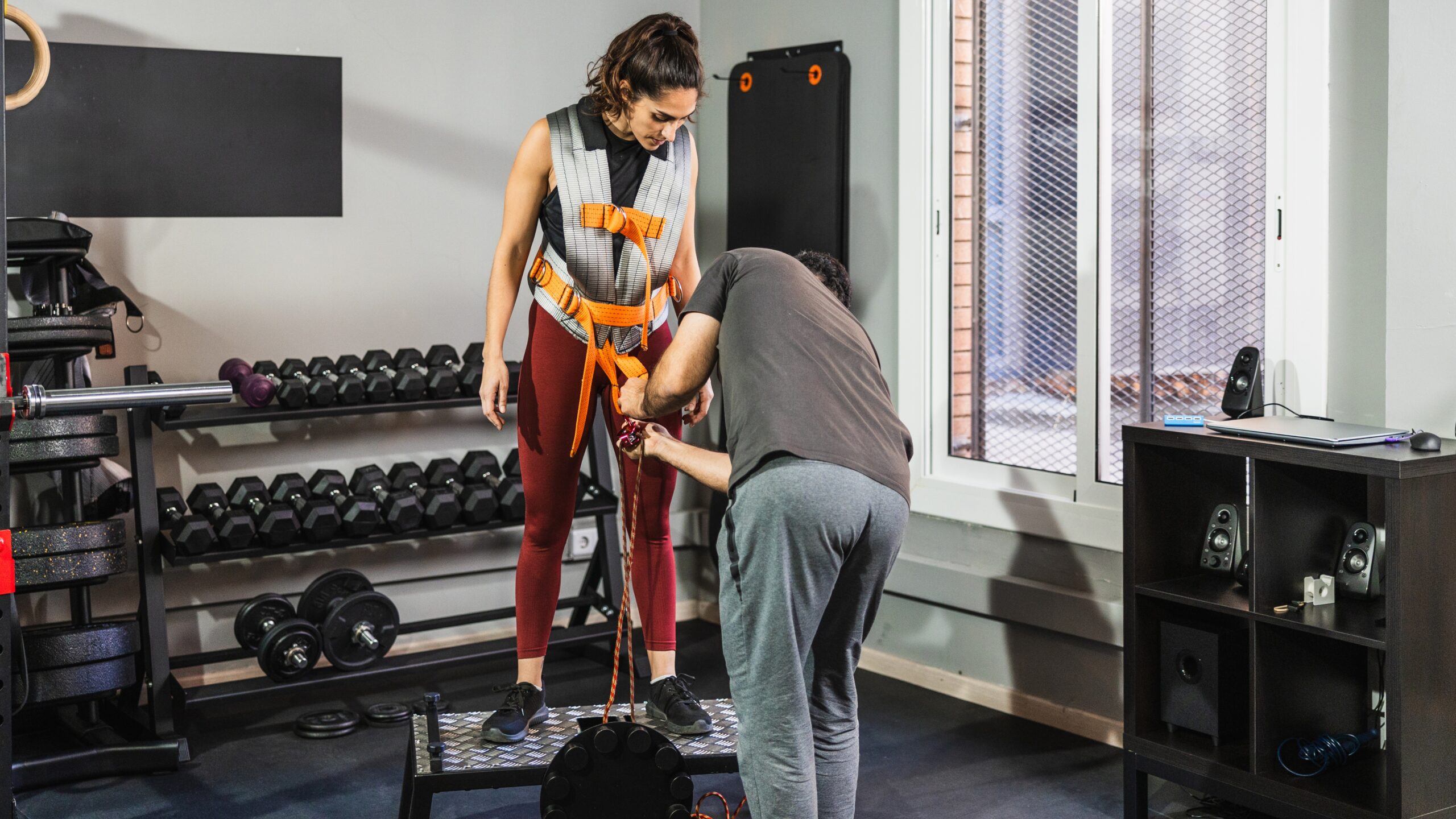
At HealFast Physiotherapy, Functional Rehabilitation at Home in Delhi NCR starts with a detailed assessment of your movement and daily needs. Your physiotherapist looks at strength, balance, coordination, joint movement, flexibility, walking, posture, and the way you perform important tasks. The therapist then creates a plan based on your current ability and goals. The program may include strengthening exercises, mobility training, balance exercises, gait training, coordination work, task practice, and activity-specific rehabilitation. The therapist can gradually increase the challenge as your movement and confidence improve.
What Is Functional Rehabilitation?
Functional rehabilitation is a form of physiotherapy that connects exercise with real-life movement. The word “functional” means that the treatment focuses on what you need to do in daily life. A person who wants to walk safely needs more than strong leg muscles. They also need balance, coordination, joint movement, and the ability to shift weight from one leg to another. A person recovering from shoulder surgery may need more than shoulder exercises because they also need to dress, reach, lift light objects, and use the arm during daily activities.
A physiotherapist uses functional rehabilitation to bridge the gap between basic exercise and normal activity. You may first practice a simple movement with support. As you improve, the therapist can make the movement more similar to the activity you want to perform. For example, you may begin with seated leg exercises after a period of weakness. Later, you may practice standing, stepping, and climbing stairs. This gradual process helps your body prepare for the demands of everyday movement.
Functional rehabilitation does not follow one fixed routine. Your program depends on your condition, age, strength, activity level, medical history, and goals. A person recovering from a knee injury needs a different program from someone recovering from a stroke. An older adult who wants to walk safely needs a different plan from an athlete who wants to return to sport.
Why Is Functional Rehabilitation Important?
Pain and weakness can change the way you move. When one movement becomes difficult, you may start using another part of your body more. This can change your posture, balance, walking pattern, or movement habits. Over time, these changes may make everyday tasks harder.
Functional rehabilitation helps you practice useful movements instead of focusing only on isolated muscles. For example, strengthening your legs can help, but you also need to use that strength when standing from a chair, walking, climbing stairs, or getting into a car. Functional training gives your body a chance to practice these tasks in a controlled way.
This approach can also help build confidence. After an injury or surgery, you may feel unsure about using the affected body part. A physiotherapist can break a difficult activity into smaller steps. You can then practice each step before moving toward the complete activity.
Who May Need Functional Rehabilitation?
Many people can benefit from functional rehabilitation. People recovering from injuries may use it to rebuild strength, movement, balance, and confidence. People recovering from surgery may need it to return to everyday activities. Older adults may use it to improve walking, transfers, balance, and independence.
Functional rehabilitation can also support people with neurological conditions. Stroke, Parkinson’s disease, spinal cord conditions, and other neurological problems can affect walking, coordination, strength, and daily movement. A structured rehabilitation plan can help the person practice these skills according to their ability.
People who spend a long time in bed or remain inactive after illness may also lose strength and endurance. Functional rehabilitation can help them gradually return to normal activities.
Athletes can use functional rehabilitation when they return to training after injury. Their program may include running, jumping, landing, changing direction, and sport-specific movements when appropriate.
Functional Rehabilitation After an Injury
An injury can affect more than the injured area. Pain may change how you walk or use a limb. Swelling can limit movement. Weakness can make everyday activities harder. You may also avoid certain movements because you worry about causing more pain.
Functional rehabilitation helps you rebuild movement step by step. Your physiotherapist first considers the type of injury and your current recovery stage. The program may begin with gentle movement and basic strengthening. It can then progress to balance, walking, stepping, lifting, and activity-specific exercises.
For example, after an ankle injury, you may first work on ankle movement and basic strength. You may then practice standing and weight shifting. Later, you may work on single-leg balance, walking, stairs, and sport-specific movements if needed.
Functional Rehabilitation After Surgery
Surgery can temporarily reduce strength, mobility, balance, and confidence. You may need help with basic tasks during the early stages of recovery.
Your surgeon may provide specific restrictions about movement, weight bearing, lifting, or exercise. Your physiotherapist should follow these instructions when creating your rehabilitation plan.
Functional rehabilitation may begin with safe bed mobility, sitting, standing, transfers, and walking. Later, the program may include stairs, strengthening, balance, and more demanding daily activities.
For example, after joint replacement surgery, you may need to practice getting out of a chair, walking with a suitable aid, using stairs, and gradually returning to normal household activities. The exact exercises depend on your surgery and medical guidance.
Functional Rehabilitation After a Stroke
A stroke can affect strength, coordination, balance, sensation, walking, and movement control. These changes can make simple tasks difficult.
Functional rehabilitation can help a person practice movements that matter in daily life. The program may include rolling in bed, sitting up, standing, transferring from a bed to a chair, walking, reaching, and using the affected arm during tasks.
The physiotherapist may break each activity into smaller steps. For example, before practicing walking, the person may work on sitting balance and standing control. Once standing becomes safer, the therapist can introduce stepping and walking practice.
Stroke rehabilitation can take time, and progress differs from person to person. Regular assessment helps the therapist adjust the program to the person’s changing abilities.
Functional Rehabilitation for Paralysis
Paralysis can affect movement and independence in different ways. Some people have weakness on one side of the body, while others have more extensive movement problems.
Functional rehabilitation focuses on the activities the person needs to perform. These may include rolling, sitting, standing, transferring, walking, reaching, and using the arms and hands.
The therapist may use strengthening, balance training, coordination exercises, gait training, and task practice. Family members may also learn safe ways to provide support during daily activities.
The goal depends on the person’s condition. Some people may work toward greater independence. Others may focus on safer assisted movement and better participation in daily activities.
Functional Rehabilitation for Older Adults
Older adults may experience changes in muscle strength, balance, joint mobility, endurance, and reaction speed. These changes can make daily activities more difficult.
Functional rehabilitation can focus on movements such as getting out of a chair, walking, climbing stairs, reaching, bending, and carrying light objects. The therapist can modify exercises to match the person’s strength and balance.
For example, a person who struggles to stand from a low chair may start with a higher chair and support. As leg strength improves, the therapist can gradually reduce the support or increase the challenge.
The aim is not to make every older adult perform difficult exercises. The aim is to improve the physical skills needed for safe and independent daily movement.
Functional Rehabilitation for Walking Problems
Walking requires strength, balance, coordination, joint movement, and control. A problem in any of these areas can change your walking pattern.
Functional rehabilitation can combine gait training with strength and balance exercises. The therapist may work on step length, foot placement, weight shifting, turning, stopping, starting, and walking over different surfaces.
If you use a walking aid, the physiotherapist can also check whether you use it safely. The therapist can guide you on how to progress when your strength and balance improve. Functional Rehabilitation at Home in Delhi NCR.
Functional Rehabilitation for Balance Problems
Balance plays an important role in daily activities. You need balance when you stand from a chair, walk, turn, reach, climb stairs, and step over an object.
Functional balance training uses movements that relate to real activities. Instead of only standing still, you may practice reaching while standing, stepping in different directions, turning, or moving around obstacles.
The therapist can use support when needed. As your control improves, the therapist can gradually reduce support or increase the movement challenge.
Functional Rehabilitation for Muscle Weakness
Muscle weakness can affect many daily tasks. Weak legs can make standing and climbing stairs difficult. Weak arms can make reaching, carrying, and dressing harder.
A functional rehabilitation plan may include strengthening exercises and task practice. The therapist can choose exercises that relate directly to your goals.
For example, if you struggle to climb stairs, the therapist may focus on leg strength, balance, step-ups, and controlled stair practice. If you struggle to carry objects, the program may include upper-body strength and safe carrying practice.
Functional Rehabilitation for Joint Stiffness
Joint stiffness can limit movement and make everyday activities harder. A stiff shoulder may make it difficult to reach overhead, A stiff knee may make sitting and standing difficult, A stiff ankle can affect walking.
The therapist may use mobility exercises, stretching, active movement, and strengthening to improve function. The program depends on the cause of the stiffness.
For example, after a period of immobilisation, the therapist may gradually restore joint movement before adding more demanding functional tasks.
Functional Rehabilitation for Pain
Pain can change the way you move. You may avoid certain positions or use another body part more than usual.
Functional rehabilitation does not focus only on reducing pain. It also looks at how pain affects your movement and daily activities. The therapist may teach you safer ways to perform tasks while gradually building strength and movement tolerance.
If pain comes from an unknown or serious cause, you may need medical assessment before starting rehabilitation. Functional Rehabilitation at Home in Delhi NCR.
Functional Rehabilitation for Office Workers
Office workers may spend many hours sitting. Long periods of low activity can contribute to weakness, stiffness, and reduced physical capacity.
Functional rehabilitation can help office workers build strength and movement for daily activities. The program may include exercises for the back, shoulders, hips, legs, and core.
The therapist may also look at your work routine. Short movement breaks, regular walking, and simple exercises can help you add more activity to your day.
Functional Rehabilitation for Athletes
Athletes need functional rehabilitation that matches their sport. Walking and basic strength may not be enough for someone who needs to run, jump, land, or change direction quickly.
The rehabilitation plan may progress from basic strength to more demanding movement. Later stages can include running drills, jumping, landing, agility, balance, and sport-specific exercises when appropriate.
For example, a football player may need to practice acceleration and changes of direction before returning to full training. A badminton player may need repeated lunges and quick lateral movements.
The therapist should progress these activities based on the injury, strength, movement control, and medical guidance.
Functional Rehabilitation for Children
Children may need functional rehabilitation because of developmental delays, neurological conditions, injuries, surgery, muscle weakness, or movement difficulties.
Pediatric physiotherapy should make movement practice engaging and age-appropriate. The therapist may use games, reaching tasks, stepping activities, balance exercises, and play-based movements.
The goal can involve activities such as sitting, crawling, standing, walking, running, climbing, or participating in school and play activities.
Parents can also learn how to support the child’s exercises safely at home.
Functional Rehabilitation and Strength Training
Strength provides the foundation for many functional movements. You need leg strength to stand and climb stairs, You need arm and shoulder strength to reach and carry, You need trunk strength to control your body during movement.
Functional rehabilitation often combines strength training with movement practice. The therapist may start with simple strengthening and then connect the strength to a real task.
For example, after strengthening the legs, you may practice standing from a chair. After improving shoulder strength, you may practice reaching for objects.
This connection helps make exercise more meaningful and practical.
Functional Rehabilitation and Balance Training
Balance and function work closely together. A person may have enough strength to stand but still struggle to walk safely because of poor balance.
Functional rehabilitation can combine balance training with tasks such as stepping, reaching, turning, and walking. The therapist can adjust the level of support and difficulty.
This approach helps you practice balance in situations that resemble your daily life.
Functional Rehabilitation and Mobility Training
Mobility means your ability to move your body or a joint through the range needed for an activity. Good mobility helps you squat, reach, walk, turn, bend, and perform other movements.
A physiotherapist may combine mobility exercises with functional tasks. For example, improving ankle movement can support better squatting and walking. Improving shoulder movement can help you reach overhead.
The therapist focuses on the movement you actually need rather than trying to increase flexibility without a clear purpose. Functional Rehabilitation at Home in Delhi NCR.
Functional Rehabilitation and Gait Training
Gait training focuses specifically on walking. Functional rehabilitation can include gait training but also covers many other daily activities.
A person recovering from stroke may need walking practice along with bed mobility, transfers, reaching, and stair training. A person recovering from knee surgery may need walking practice along with sitting, standing, stairs, and household activities.
This wider approach helps connect walking with overall independence.
Functional Rehabilitation for Daily Activities
Daily activities often become the best measure of progress. You may not care about performing a certain exercise perfectly. You may simply want to get out of bed without help, walk to the bathroom, climb stairs, cook a meal, or return to work.
Your physiotherapist can use these goals to guide treatment. The exercises can then relate directly to the tasks you want to perform.
For example, if your goal involves getting in and out of a car, the therapist can practice the movements needed for that task. If your goal involves carrying groceries, the program can gradually build the strength and balance required for safe carrying.
Functional Rehabilitation for Transfers
Transfers involve moving from one position to another. Common examples include moving from a bed to a chair, sitting down, standing up, or getting into a car.
Transfers require strength, balance, coordination, and movement control. Weakness or poor balance can make them difficult.
A physiotherapist can teach safer movement strategies and practice them repeatedly. The therapist can also show family members how to provide appropriate support when needed.
Functional Rehabilitation for Stairs
Stairs require more strength and balance than level walking. You need to lift and control your body with each step.
After injury, surgery, or illness, stairs can feel difficult. Functional rehabilitation can include step-ups, controlled lowering, balance training, and stair practice.
The therapist can teach you how to use the railing or walking aid safely. They can also adjust the exercise based on your strength and recovery stage.
Functional Rehabilitation at Home in Delhi NCR
Home-based functional rehabilitation can be useful because many rehabilitation goals involve activities that happen inside the home. A physiotherapist can assess how you move through your own environment.
The therapist can work with common household activities such as getting out of bed, standing from a chair, walking to the bathroom, using stairs, reaching for objects, and moving around furniture.
Home sessions can also help family members understand how to support the patient. The therapist can show caregivers how to provide help without doing every movement for the person.
What Happens During the First Functional Rehabilitation Session?
The first session usually starts with a detailed discussion. Your physiotherapist asks about your symptoms, medical history, previous injuries or surgery, activity level, daily routine, and goals.
The therapist then assesses your movement. They may check strength, balance, joint movement, flexibility, coordination, walking, posture, and functional activities.
The therapist may watch you stand from a chair, walk, climb a step, reach, bend, or perform another task related to your goals.
After the assessment, the therapist creates a treatment plan. The plan can change as you improve.
How Does Functional Rehabilitation Progress?
Functional rehabilitation usually progresses from simple movements to more demanding tasks. The therapist chooses a starting point that you can perform safely.
For example, you may start with supported standing. You may then progress to independent standing, stepping, walking, and stairs. Each stage prepares your body for the next challenge.
Progress does not always mean doing more repetitions. Better control, less support, improved balance, greater endurance, and better confidence can also show progress.
How Long Does Functional Rehabilitation Take?
There is no fixed recovery time. The duration depends on the cause of your problem, your health, age, strength, medical history, activity level, and rehabilitation goals.
Someone recovering from a minor injury may progress more quickly than someone recovering from a stroke or major surgery. Your therapist can review your progress regularly and adjust your treatment plan.
The goal is steady and safe progress rather than rushing through the rehabilitation process.
Can Functional Rehabilitation Be Done Every Day?
Some exercises may form part of a daily home program. Others may require more recovery time.
Your physiotherapist can explain how often you should perform each exercise. The right frequency depends on your condition and the type of activity.
Regular practice can help you build movement skills, but rest also plays an important role. If an exercise causes significant or unusual symptoms, stop and discuss it with your physiotherapist.
Is Functional Rehabilitation Safe?
Functional rehabilitation can be safe when the therapist chooses exercises that match your ability and medical needs. The therapist should also consider surgical restrictions, weight-bearing limits, pain, balance, and other factors.
Do not begin difficult functional exercises without suitable guidance if you have major weakness, severe balance problems, or a high risk of falling.
Seek urgent medical care if you develop sudden weakness, chest pain, severe shortness of breath, loss of consciousness, sudden difficulty speaking, sudden vision changes, or other serious symptoms.
Why Choose HealFast for Functional Rehabilitation?
HealFast Physiotherapy focuses on practical rehabilitation that connects treatment with your daily life. Your physiotherapist first understands what you find difficult and why the movement problem affects you.
The treatment may include strength training, balance exercises, gait training, mobility work, coordination training, transfer practice, stair training, and task-specific rehabilitation. The therapist can adjust the program as your ability changes.
Home physiotherapy can make functional rehabilitation more practical because the therapist can work with the environment where you perform your daily activities. If you are looking for Functional Rehabilitation at home in Delhi NCR, contact HealFast Physiotherapy at +91 84487 77406.
When Should You See a Doctor?
Some symptoms need medical assessment before rehabilitation. Seek urgent medical attention if you develop sudden weakness, facial drooping, difficulty speaking, sudden vision changes, severe chest pain, fainting, severe breathing difficulty, or another sudden serious symptom.
You should also seek medical care after a serious fall or injury, especially if you cannot put weight on a limb or have severe pain.
For gradual movement problems, a physiotherapy assessment can help identify your rehabilitation needs and determine whether further medical evaluation may be useful.
Frequently Asked Questions
What is functional rehabilitation?
Functional rehabilitation is physiotherapy that focuses on improving the movements and physical skills you need for everyday activities, work, exercise, and sports.
Who can benefit from functional rehabilitation?
People recovering from injuries, surgery, stroke, neurological conditions, illness, prolonged inactivity, or physical weakness may benefit from functional rehabilitation.
Can functional rehabilitation happen at home?
Yes. Home-based functional rehabilitation can be useful when the environment is safe and suitable. The physiotherapist can use your actual home activities as part of the rehabilitation plan.
Can functional rehabilitation help after surgery?
It can form part of post-surgical rehabilitation when your surgeon allows exercise and movement. The physiotherapist can follow your medical restrictions while progressing functional activities.
Can functional rehabilitation help after a stroke?
Yes. It can include walking, transfers, standing, balance, reaching, and other movements needed for daily life. The exact program depends on the person’s abilities.
Can functional rehabilitation help older adults?
Yes. It can focus on practical movements such as standing from a chair, walking, climbing stairs, reaching, and maintaining balance.
Is functional rehabilitation the same as strength training?
No. Strength training focuses mainly on improving muscle strength. Functional rehabilitation uses strength along with balance, mobility, coordination, and task-specific movement.
Can functional rehabilitation help with walking?
Yes. Gait training can form part of functional rehabilitation. The therapist may work on walking, balance, strength, foot placement, turning, and endurance.
How long does functional rehabilitation take?
The time varies from person to person. Your recovery depends on the cause of the problem, your physical condition, medical needs, and rehabilitation goals.
Can I do functional rehabilitation exercises at home?
Many exercises can form part of a home program. Your physiotherapist can show you which exercises suit your condition and how to perform them safely.
Can athletes use functional rehabilitation?
Yes. Athletes can use functional rehabilitation to progress from basic recovery exercises toward running, jumping, landing, changing direction, and sport-specific movements.
Can children receive functional rehabilitation?
Yes. Pediatric physiotherapists can use age-appropriate exercises and play-based activities to improve movement, strength, balance, coordination, and daily function.
What if I feel pain during functional exercises?
Some exercises may create mild effort or discomfort, but significant or unusual pain needs attention. Stop the activity and tell your physiotherapist so they can review the exercise.
Start Functional Rehabilitation at Home in Delhi NCR
Functional rehabilitation focuses on the movements that matter in your real life. It can help you work toward activities such as standing, walking, climbing stairs, getting out of bed, using your arms, returning to work, exercising, or participating in sports.
At HealFast Physiotherapy, your rehabilitation starts with an assessment of your movement, strength, balance, mobility, coordination, and daily goals. Your physiotherapist then creates a progressive plan that matches your current ability and adjusts it as you improve.
If you are looking for Functional Rehabilitation at Home in Delhi NCR, contact HealFast Physiotherapy at +91 84487 77406 to discuss your needs and arrange an assessment.