
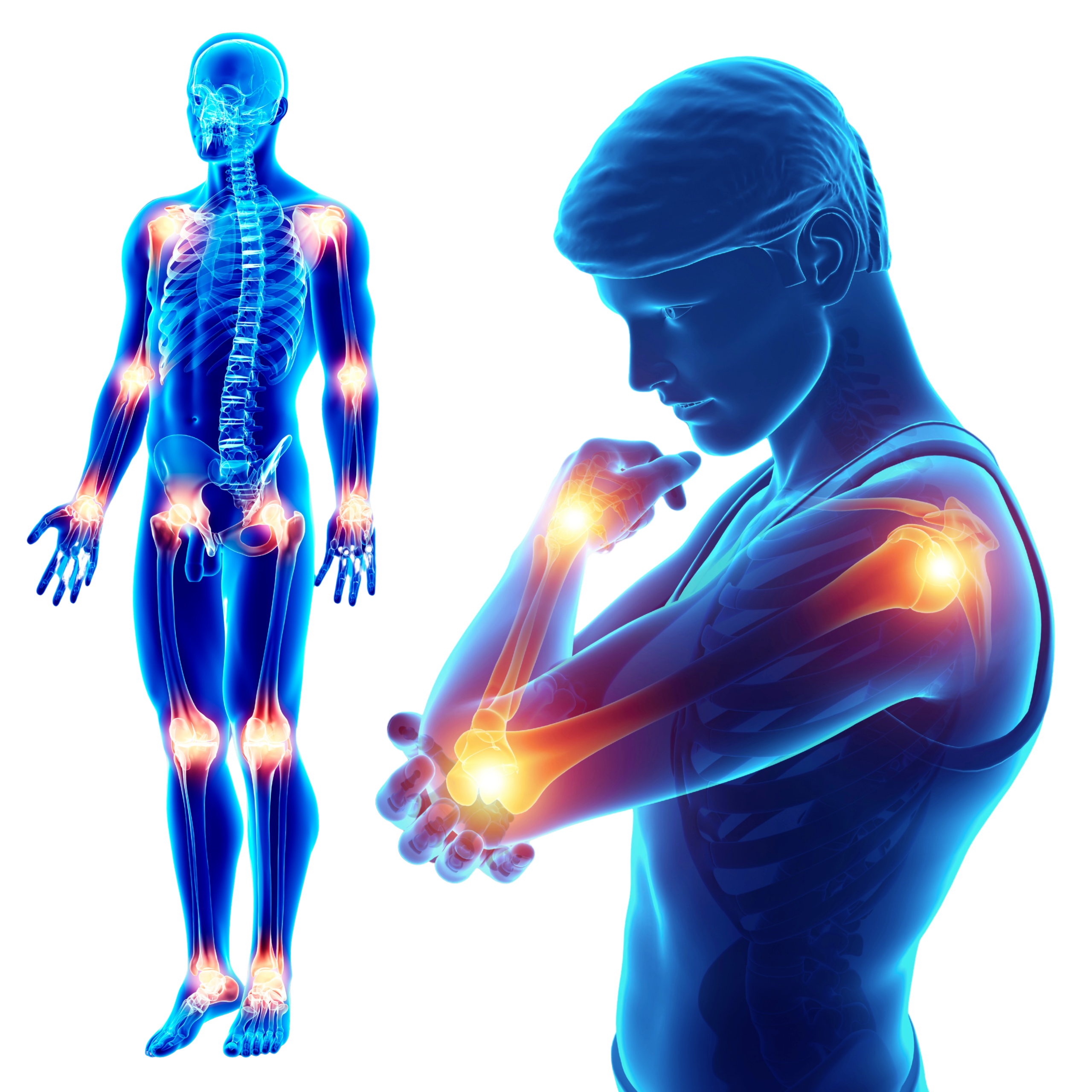
Joint Pain Physiotherapy at Home in Delhi NCR
Personalized Physiotherapy for Joint Pain, Stiffness, Weakness & Movement Problems
Joint Pain Physiotherapy at Home in Delhi, Joint pain can make even simple movements uncomfortable. Walking to another room, climbing stairs, getting up from a chair, reaching for something on a shelf, bending down, exercising or completing household activities can become difficult when joint pain or stiffness starts affecting your movement. At HealFast Physiotherapy, we provide personalized joint pain physiotherapy at home in Delhi NCR for people experiencing pain, stiffness, reduced mobility, muscle weakness and difficulty with everyday movement. Our physiotherapists assess your condition and design a rehabilitation program around your symptoms, movement limitations, physical ability and personal goals.
We Can Help You Work On
- Joint mobility
- Muscle strength
- Flexibility
- Balance and stability
- Walking ability
- Functional movement
- Exercise tolerance
- Post-injury rehabilitation
- Post-surgical rehabilitation
- Everyday physical activities
🏠 Physiotherapy at Home 👨⚕️ Personalized Rehabilitation📍 Selected Delhi NCR Locations
📞 +91 84487 77406 Home visits are subject to therapist availability and service-area coverage.
Why Choose Home Physiotherapy for Joint Pain?
When joint pain is affecting your mobility, travelling to a clinic can sometimes be difficult. Home physiotherapy allows rehabilitation to take place in your familiar environment.
🏠 Convenient Home Sessions
A physiotherapist visits your home instead of requiring you to travel for every session.
🎯 Individualized Treatment
Your treatment program is based on your physical assessment rather than a generic exercise routine.
💪 Strength & Mobility Focus
Work on the physical abilities needed for walking, stairs, transfers and everyday activities.
🚶 Functional Rehabilitation
Exercises can be connected to real-life movements that matter to you.
👴 Suitable for Mobility-Limited Patients
Home visits can be particularly convenient for elderly patients or people who have difficulty travelling.
📈 Progress-Based Care
Your rehabilitation program can be adjusted according to your response and progress.
What Is Joint Pain?
Joint pain refers to discomfort, soreness or pain occurring around or within a joint. A joint is a place where two or more bones meet and allows the body to perform movement.
Joints work together with:
- Muscles
- Tendons
- Ligaments
- Cartilage
- Bones
- Nerves
- Other surrounding tissues
When one or more of these structures is affected, you may experience pain, stiffness, weakness or reduced movement. Joint pain can be temporary or persistent.
It may occur after an injury, develop gradually, or be associated with conditions such as osteoarthritis and other medical conditions.
Common examples include:
- Knee joint pain
- Shoulder joint pain
- Hip joint pain
- Ankle joint pain
- Wrist joint pain
- Elbow joint pain
- Finger joint pain
- Multiple-joint pain
The cause of joint pain matters because different conditions require different treatment approaches.
For example, joint pain caused by an acute injury should not automatically be treated in exactly the same way as chronic osteoarthritis.
Common Symptoms of Joint Pain
Joint pain can affect everyone differently. Some people experience pain mainly during movement, while others may experience stiffness after sitting or resting.
1. Pain During Movement
You may experience pain when:
- Walking
- Running
- Bending
- Squatting
- Reaching
- Lifting
- Climbing stairs
2. Joint Stiffness
The joint may feel tight or difficult to move.
Stiffness can sometimes be more noticeable after prolonged inactivity.
3. Reduced Range of Motion
You may notice that you cannot move the joint as freely as before.
For example:
- Difficulty raising the shoulder
- Difficulty bending the knee
- Difficulty rotating the hip
- Difficulty moving the wrist
4. Swelling
Some joint conditions can cause swelling around the affected area.
5. Muscle Weakness
Pain may lead to reduced activity, which can contribute to muscle weakness over time.
6. Difficulty Walking
Hip, knee, ankle and foot problems can affect your walking pattern.
7. Difficulty Using Stairs
Knee and hip symptoms can make stairs more challenging.
8. Difficulty With Daily Activities
Joint pain may affect:
- Dressing
- Bathing
- Cooking
- Cleaning
- Shopping
- Driving
- Working
- Exercising
9. Reduced Physical Activity
People may avoid movement because they are worried that activity will increase their symptoms.
Appropriate physical activity, however, is an important part of rehabilitation for many musculoskeletal conditions.
When Can Joint Pain Physiotherapy Help?
You may consider physiotherapy when joint symptoms are affecting your physical function.
For example:
If walking has become difficult
A physiotherapist can assess walking, lower-limb strength, balance and movement.
If stairs are becoming difficult
Treatment may focus on strength, mobility and functional stair movement.
If you have reduced shoulder movement
The assessment may look at shoulder mobility, strength and functional use of the arm.
If you feel weak after an injury
A rehabilitation program may help restore appropriate strength and movement.
If you have become less active
A physiotherapist can help you gradually return to appropriate physical activity.
If you are recovering from surgery
Physiotherapy may be part of your rehabilitation program, according to your surgeon’s and healthcare team’s recommendations.
What Causes Joint Pain?
Joint pain has many possible causes.
Osteoarthritis
Osteoarthritis can cause joint pain, stiffness and difficulty moving, commonly affecting areas such as the knees, hips and hands.
Sports Injuries
Joint pain can occur after:
- Sprains
- Strains
- Falls
- Twisting injuries
- Sports accidents
Overuse
Repeated movements or excessive activity can contribute to pain around certain joints or surrounding tissues.
Muscle Weakness
Weak supporting muscles can affect functional movement and physical performance.
Previous Injuries
A previous injury can sometimes continue to influence movement long after the original injury.
Post-Surgical Recovery
Pain, stiffness and weakness may occur during recovery following certain surgeries.
Tendon Problems
Problems involving tendons around a joint can cause pain during particular movements.
Ligament Injuries
Ligament injuries can affect joint stability and function.
Inflammatory Conditions
Certain inflammatory diseases can affect multiple joints and require appropriate medical management.
Age-Related Changes
Changes in joints and surrounding tissues can occur as people age.
Important
Joint pain is a symptom, not a diagnosis.
If you have persistent or unexplained pain, proper assessment is important before assuming the cause.
Which Joints Can Joint Pain Physiotherapy Address?
Physiotherapy can be used as part of rehabilitation for many joint and musculoskeletal conditions.
Knee Joint Pain
The knee is one of the most common areas affected by joint problems.
Knee pain can affect:
- Walking
- Stairs
- Squatting
- Sitting
- Standing
- Getting out of a chair
- Exercise
Treatment may include mobility, strengthening, balance and functional training.
Shoulder Joint Pain
Shoulder problems can make arm movement difficult.
You may experience difficulty:
- Raising your arm
- Reaching overhead
- Dressing
- Washing your hair
- Reaching behind your back
- Lifting objects
Treatment depends on the underlying cause.
Hip Joint Pain
Hip pain can affect:
- Walking
- Standing
- Sitting
- Stairs
- Getting in/out of a chair
- Getting in/out of a car
Treatment may focus on mobility, strength and functional movement.
Ankle Joint Pain
Ankle pain can affect:
- Walking
- Standing
- Balance
- Sports
- Stairs
Rehabilitation may include mobility, strengthening, balance and gait-related exercises.
Wrist & Hand Joint Pain
Wrist and hand problems can affect:
- Grip
- Writing
- Typing
- Lifting
- Opening containers
- Household activities
Treatment depends on the specific diagnosis and functional limitations.
Elbow Joint Pain
Elbow pain may affect:
- Lifting
- Carrying
- Grip
- Reaching
- Sports
Physiotherapy can focus on appropriate movement, strength and functional recovery.
Is Joint Pain Always Caused by Arthritis?
No.
This is an important distinction.
Arthritis is one possible cause of joint pain, but joint pain can also result from injury, overuse, tendon problems, ligament problems, post-surgical recovery and other conditions. If arthritis is the underlying diagnosis, physiotherapy may form part of an overall management plan.
[Arthritis Physiotherapy at Home →]
This internal link helps users understand the difference between the broader Joint Pain Physiotherapy topic and the more specific Arthritis Physiotherapy service. Joint Pain Physiotherapy at Home in Delhi.
How Can Physiotherapy Help With Joint Pain?
The purpose of physiotherapy is not simply to focus on the painful area.
A good rehabilitation program considers:
Pain → Mobility → Strength → Balance → Movement → Function
Improve Joint Mobility
Appropriate mobility exercises may help maintain or improve comfortable movement.
Improve Muscle Strength
Strengthening can target muscles involved in supporting everyday movement.
Improve Flexibility
Stretching and mobility work may be included where appropriate.
Improve Balance
Balance training may be useful when stability has become a problem.
Improve Movement Control
Your physiotherapist can assess how you move and identify areas that may need rehabilitation.
Improve Functional Ability
Treatment can be designed around activities such as:
- Walking
- Stairs
- Sitting
- Standing
- Bending
- Reaching
- Lifting
Support Return to Activity
For suitable patients, rehabilitation can help gradually increase physical activity. Physical activity is commonly used in rehabilitation for musculoskeletal conditions and can support physical function when appropriately prescribed.
What Happens During Your First Physiotherapy Assessment?
Your first session is more than simply performing exercises.
The physiotherapist may first understand your condition and goals.
Medical & Activity History
You may be asked about:
- When the pain started
- How it started
- Previous injuries
- Previous surgeries
- Medical conditions
- Current activity
- Work requirements
- Sports activities
- Previous physiotherapy
Pain Assessment
The physiotherapist may discuss:
- Where the pain occurs
- When it occurs
- What movements aggravate it
- What activities reduce it
- How it affects daily life
Movement Assessment
The physiotherapist may look at:
- Joint range of motion
- Muscle strength
- Flexibility
- Balance
- Walking
- Functional movement
Goal Setting
Your goal could be:
“I want to walk for 30 minutes.”
Or:
“I want to climb stairs without difficulty.”
Or:
“I want to return to exercise.”
The treatment plan should be connected to your actual goals.
Our Joint Pain Physiotherapy Treatment Approach
Joint Pain Physiotherapy at Home in Delhi After assessment, your physiotherapist can develop an individualized rehabilitation plan.
Depending on your condition, it may include:
Mobility Training
Appropriate exercises to work on joint movement.
Strengthening
Progressive exercises for muscles relevant to your functional needs.
Flexibility Training
Stretching or mobility exercises when appropriate.
Balance Training
Exercises designed to improve stability when indicated.
Functional Training
Practising movements used in everyday life.
Walking Training
Assessment and rehabilitation of walking when relevant.
Home Exercise Program
Exercises you can continue between sessions.
Activity Education
Guidance about appropriate activity levels and gradual progression.
What Exercises Are Used for Joint Pain?
There is no universal “best exercise” for joint pain. The appropriate exercise depends on:
- The affected joint
- The underlying condition
- Your age
- Current strength
- Mobility
- Pain response
- Previous injury
- Surgery
- Functional goals
Mobility Exercises
Designed to work on comfortable movement.
Strengthening Exercises
Can help improve the strength required for everyday activities.
Balance Exercises
Useful when stability is part of the rehabilitation goal.
Flexibility Exercises
May be included when flexibility is limited.
Functional Exercises
Can reproduce real-life activities such as:
- Sit-to-stand
- Stairs
- Squatting
- Walking
- Reaching
Low-Impact Activities
Depending on your condition, appropriate activities may include:
- Walking
- Cycling
- Swimming
- Water exercise
Exercise Safety
If you have significant swelling, severe pain, recent surgery, a major injury or unexplained symptoms, do not begin an intensive exercise program without appropriate professional guidance.
Knee Joint Pain Physiotherapy at Home
Knee pain can gradually affect your ability to move and stay active.
You may experience difficulty with:
Walking
Pain or weakness may affect your walking distance.
Stairs
Going up or down stairs may become uncomfortable.
Squatting
Reduced knee mobility or strength can affect squatting.
Sit-to-Stand
Standing from a chair may become difficult.
Exercise
You may reduce your activity because of discomfort.
Physiotherapy Focus
Depending on the condition, rehabilitation may include:
- Knee mobility
- Quadriceps strengthening
- Hip strengthening
- Lower-limb strengthening
- Balance
- Walking
- Functional exercises
[LEARN MORE ABOUT KNEE PAIN PHYSIOTHERAPY]
Shoulder Joint Pain Physiotherapy at Home
Shoulder pain can interfere with everyday upper-body activities. You may find it difficult to:
- Raise your arm
- Reach overhead
- Put on clothes
- Wash your hair
- Reach behind your back
- Carry objects
The physiotherapist can assess:
- Shoulder movement
- Strength
- Functional movement
- Pain response
Depending on the cause, rehabilitation may include mobility exercises, strengthening and functional training.
Hip Joint Pain Physiotherapy
Hip problems can affect the way you walk and perform lower-body activities.
Symptoms may affect:
- Walking
- Standing
- Sitting
- Stairs
- Getting into a car
- Getting out of bed
- Putting on shoes
Physiotherapy may focus on:
- Hip mobility
- Glute strength
- Lower-limb strength
- Balance
- Walking
- Functional movement
Ankle and Foot Joint Pain Physiotherapy
Ankle and foot problems can affect your ability to put weight through the leg comfortably.
This may affect:
- Walking
- Running
- Standing
- Balance
- Stairs
- Sports
Rehabilitation may include:
- Ankle mobility
- Strengthening
- Balance
- Proprioception
- Walking exercises
- Functional training
The treatment depends on the underlying cause.
Joint Pain Physiotherapy for Elderly Patients at Home
Joint pain can have a significant impact on an older person’s independence.
A person may gradually become less active because walking or movement is uncomfortable.
This may lead to reduced:
- Strength
- Balance
- Mobility
- Confidence
- Physical activity
Home physiotherapy can provide rehabilitation in a familiar environment.
Treatment May Focus On:
Walking
Working on safe functional mobility.
Strength
Maintaining functional muscle strength.
Balance
Reducing movement limitations related to poor stability where appropriate.
Transfers
Practising sitting and standing.
Mobility
Working on appropriate joint movement.
Daily Activities
Working toward greater independence.
Joint Pain After an Injury
Joint pain following an injury may require a structured rehabilitation program.
Examples can include:
- Sports injuries
- Falls
- Sprains
- Twisting injuries
- Muscle injuries
- Ligament injuries
Rehabilitation may progress through stages:
Protection → Mobility → Strength → Control → Function → Return to Activity
The exact progression depends on the injury and medical diagnosis.
Joint Pain After Surgery
Joint pain, stiffness and weakness may occur during recovery after certain surgeries.
Physiotherapy may be included as part of post-operative rehabilitation.
Treatment may focus on:
- Restoring appropriate mobility
- Strengthening
- Functional movement
- Walking
- Balance
- Activity progression
However, post-operative rehabilitation should follow the instructions and precautions provided by the surgical and medical team.
Potential Benefits of Joint Pain Physiotherapy
A personalized rehabilitation program may help you work toward:
Better Mobility
Improve comfortable movement where appropriate.
Improved Strength
Build muscles required for everyday activities.
Better Balance
Work on stability when appropriate.
Improved Functional Movement
Practise movements that are important in everyday life.
Better Exercise Tolerance
Gradually return to appropriate physical activity.
Improved Confidence
Learn how to move and exercise appropriately.
Greater Independence
Maintaining physical ability can support independence in daily activities.
Who Can Benefit From Joint Pain Physiotherapy?
You may benefit from an assessment if joint symptoms are affecting:
- Walking
- Stairs
- Exercise
- Work
- Household activities
- Sports
- Balance
- Mobility
- Strength
- Independence
Common Patient Groups
Older adults
With age-related mobility or joint problems.
Office workers
With reduced activity and musculoskeletal complaints.
Sports participants
Recovering from joint-related injuries.
Post-surgical patients
Following an appropriate rehabilitation plan.
People with arthritis
Working on mobility, strength and function.
People recovering from injury
Working toward safe return to activity.
How Does HealFast Joint Pain Home Physiotherapy Work?
Step 1 — Contact Us
Call or WhatsApp HealFast.
Tell us:
- Your location
- Your age
- Which joint hurts
- How long you have had symptoms
- Whether there was an injury
Step 2 — Service Availability
Our team checks whether a home visit is available in your area.
Step 3 — Schedule Your Visit
A suitable appointment is arranged according to availability.
Step 4 — Assessment
The physiotherapist assesses your condition and functional limitations.
Step 5 — Treatment Plan
A personalized rehabilitation plan is developed.
Step 6 — Home Treatment
Treatment takes place at your home.
Step 7 — Home Exercise Guidance
You may receive appropriate exercises to continue between sessions.
Step 8 — Progress Review
Your program can be adjusted according to your response and progress.
Why Choose HealFast Physiotherapy?
🏠 Home Physiotherapy
Receive physiotherapy at home in eligible Delhi NCR locations.
🎯 Personalized Treatment
Your treatment plan is based on your condition and functional goals.
👨⚕️ Physiotherapy Team
HealFast provides information about its physiotherapy professionals and their qualifications on its website.
📋 Assessment-Based Rehabilitation
The treatment approach starts with understanding your movement and limitations.
💪 Exercise-Based Rehabilitation
Treatment can include appropriate mobility, strengthening, balance and functional exercises.
❤️ Patient-Centered Care
The rehabilitation plan is built around your individual needs and goals.
📍 Delhi NCR Home Visits
HealFast lists home physiotherapy services in selected areas across Delhi NCR.
Joint Pain Physiotherapy at Home Across Delhi NCR
HealFast currently lists home physiotherapy services across selected areas of:
Delhi
- South Delhi
- North Delhi
- West Delhi
- East Delhi
- Central Delhi
- Rohini
- Pitampura
- Janakpuri
- Dwarka
- Rajouri Garden
- Punjabi Bagh
- Shalimar Bagh
- Nearby areas
Gurgaon / Gurugram
Home physiotherapy for eligible locations.
Noida
Joint pain rehabilitation for selected locations.
Ghaziabad
Home physiotherapy for eligible areas.
Faridabad
Home physiotherapy for eligible areas.
Don’t See Your Area?
You can still contact our team.
📞 +91 84487 77406
When Should You Seek Medical Evaluation?
Physiotherapy is not appropriate as the only response to every type of joint pain.
Seek medical evaluation if you experience:
- Severe pain
- Rapidly worsening symptoms
- Significant swelling
- A hot or very red joint
- Fever with joint symptoms
- Recent major trauma
- Inability to bear weight
- Sudden weakness
- New numbness
- New neurological symptoms
- Unexplained persistent pain
If the cause of your joint pain is unknown, a healthcare professional can help determine whether further investigation is required.
Frequently Asked Questions About Joint Pain Physiotherapy
What is joint pain physiotherapy?
Joint pain physiotherapy is an individualized rehabilitation approach that may focus on mobility, strength, flexibility, balance and functional movement depending on the cause of the joint problem.
Can physiotherapy help joint pain?
Physiotherapy can be part of rehabilitation for many musculoskeletal conditions. The expected benefits depend on the underlying condition and individual circumstances.
Can I get joint pain physiotherapy at home?
Yes. HealFast provides home physiotherapy in selected Delhi NCR locations, subject to availability.
Which joints can physiotherapy treat?
Physiotherapy can be used as part of rehabilitation for problems affecting the knee, shoulder, hip, ankle, wrist, elbow and other areas.
Is joint pain always arthritis?
No. Arthritis is only one possible cause of joint pain.
Can physiotherapy help knee joint pain?
Depending on the cause, physiotherapy may help improve knee mobility, strength and functional movement.
Can physiotherapy help shoulder joint pain?
Depending on the underlying condition, physiotherapy may include mobility, strengthening and functional rehabilitation.
Can elderly people get physiotherapy at home?
Yes. Home sessions can be convenient for older adults who have difficulty travelling.
How many sessions will I need?
There is no standard number. It depends on your condition, rehabilitation goals and progress.
What exercises are best for joint pain?
There is no universal exercise. Exercises should be selected according to the affected joint, diagnosis, physical ability and goals.
Can I exercise if I have joint pain?
Many people can benefit from appropriate physical activity, but the type and intensity should match the underlying condition.
Can joint pain be permanently cured with physiotherapy?
Physiotherapy cannot guarantee a permanent cure for every cause of joint pain. Outcomes depend on the underlying condition and several individual factors.
Does HealFast provide home physiotherapy in Delhi NCR?
HealFast lists home physiotherapy services across selected areas of Delhi, Gurgaon/Gurugram, Noida, Ghaziabad and Faridabad.
How do I book a physiotherapist at home?
Call or WhatsApp HealFast and provide your location and symptoms. The team can check home-visit availability.
Take the Next Step Toward Better Movement
Joint pain doesn’t only affect the joint. It can affect how you walk, exercise, work, climb stairs and participate in everyday life.
A personalized physiotherapy assessment can help identify the movement and functional problems that may be contributing to your limitations and determine an appropriate rehabilitation approach.
Get Joint Pain Physiotherapy at Home in Delhi NCR
Personalized Assessment
Home Physiotherapy
Mobility Training
Strengthening
Balance & Functional Training
Home Exercise Guidance
📞 Call HealFast
+91 84487 77406