
Pediatric Physiotherapy at Home in Delhi NCR
Children learn many important skills through movement. Sitting, crawling, standing, walking, running, jumping, climbing, reaching and playing help children build strength, balance and coordination. Most children develop these skills naturally as they grow. However, some children may need extra support because of developmental delays, muscle weakness, balance problems, coordination difficulties, neurological conditions, orthopedic problems, injuries or surgery. Pediatric physiotherapy helps children improve movement, strength, balance, coordination and physical function in a safe and age-appropriate way. At HealFast Physiotherapy, we provide Pediatric Physiotherapy at Home in Delhi NCR, so children can receive personalized care in a familiar and comfortable environment. Our physiotherapist first understands the child’s movement abilities and daily challenges. The therapist then creates a treatment plan based on the child’s age, condition, physical abilities and rehabilitation goals. Instead of using only traditional exercises, pediatric physiotherapy often uses games and simple activities.
What Is Pediatric Physiotherapy?
Pediatric physiotherapy is a specialized form of physiotherapy for babies, children and teenagers. It focuses on physical movement and helps children develop or improve important movement skills. A child may need physiotherapy for many different reasons. Some children may take longer to learn skills such as sitting, crawling, standing or walking. Other children may have difficulty with balance, posture, muscle strength, coordination or physical activities. Children recovering from an injury or surgery may also need physiotherapy to regain normal movement. Some neurological and developmental conditions can also affect how a child moves. The physiotherapist looks at the child’s complete movement pattern instead of focusing on only one problem. The assessment may include posture, muscle strength, joint movement, balance, coordination, walking and functional activities. The therapist then chooses activities that match the child’s age and abilities.
Why Might a Child Need Physiotherapy?
Parents often notice movement problems during everyday activities. A child may fall frequently, struggle with stairs, avoid running or jumping, have difficulty standing from the floor, or use one side of the body more than the other. Some children may take longer to reach certain movement milestones. Others may develop movement problems after an injury, illness or surgery. These signs do not always mean that a child has a serious medical condition. Children develop at different rates, and small differences can occur during normal development. However, persistent concerns can benefit from a professional assessment. A pediatric physiotherapist can observe the child’s movement and explain which areas may need support. The therapist can also guide parents about simple activities that encourage movement during normal play. Early guidance can help parents understand their child’s physical abilities and choose suitable activities instead of relying on random exercises from the internet.
Pediatric Physiotherapy for Developmental Delays
Children develop important motor skills as they grow. These skills include controlling the head, rolling, sitting, crawling, standing and walking. Some children may take longer to develop these skills. A developmental delay can have different causes, and a proper assessment can help identify the child’s movement needs. Pediatric physiotherapy can support children by practicing movements that match their current abilities. For example, a child who has difficulty sitting may work on head and trunk control. A child who can sit but struggles to stand may practice supported standing and weight shifting. A child who has started walking may work on balance, stepping and coordination. The therapist can make these activities playful and simple. Parents can also learn safe activities that they can include during daily playtime. The goal involves helping the child participate in movement and develop useful physical skills at a comfortable pace.
Pediatric Physiotherapy for Babies
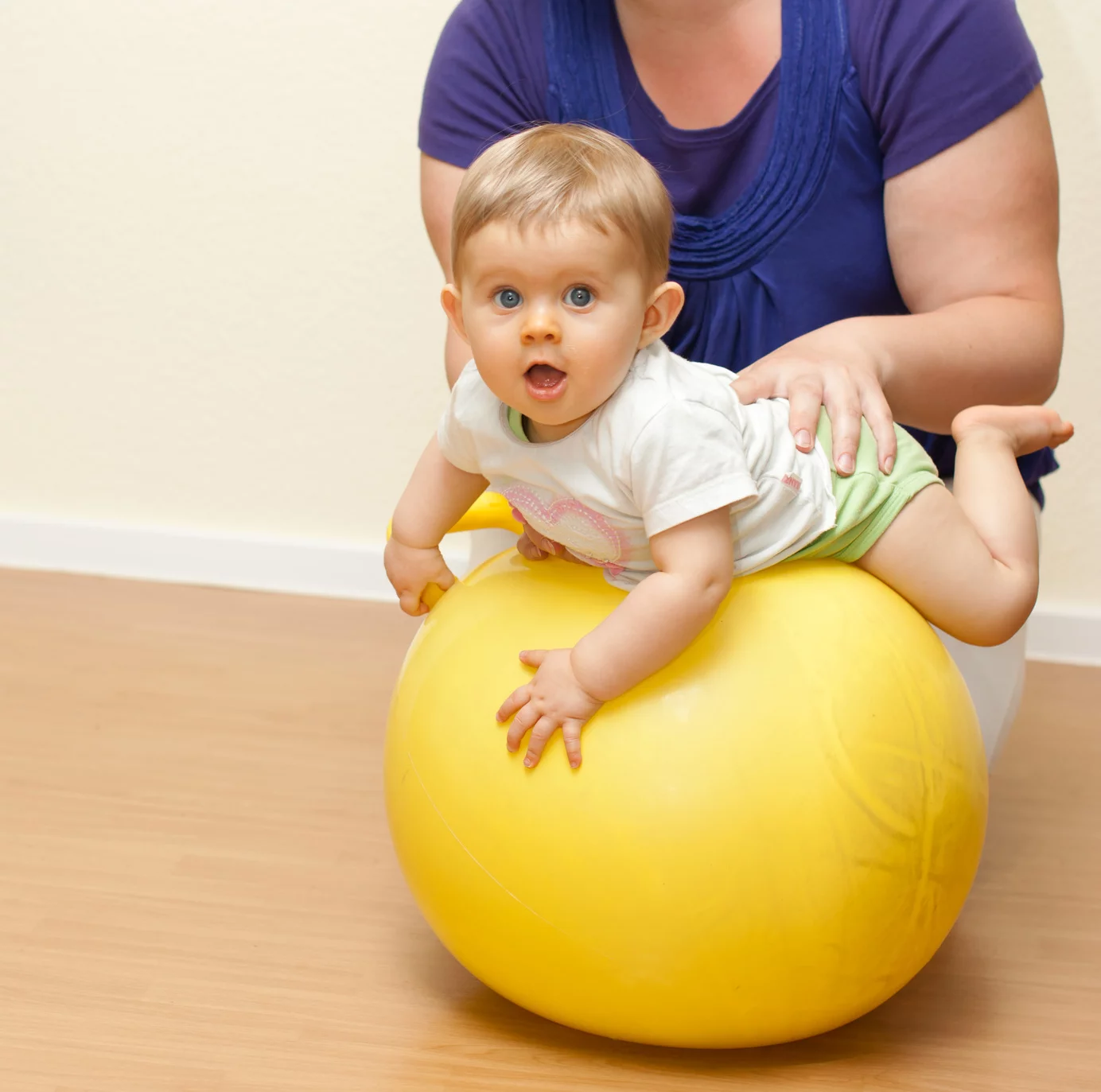
Babies develop movement skills step by step. They learn to control their head, move their arms and legs, roll, reach for objects, sit, crawl, stand and eventually walk. Some babies may show difficulty with certain movements or may use one side of the body more than the other. Parents may also notice poor head control, difficulty changing positions or reduced interest in movement. A pediatric physiotherapist can assess the baby’s posture, movement, muscle tone and motor skills. The therapist can then guide parents through gentle, age-appropriate activities. These activities may involve reaching for toys, changing positions, supported sitting or other simple movements. The therapist always considers the baby’s comfort and developmental stage. Parents should not force a baby into a position that causes pain or distress. Professional guidance can help parents understand how to encourage movement safely.
Pediatric Physiotherapy for Toddlers
Toddlers learn through active play. They walk around the house, climb, squat, pick up toys, run and explore their surroundings. These activities naturally help develop strength, balance and coordination. Some toddlers may have difficulty with these movements. They may fall frequently, avoid climbing, struggle to stand from the floor or find it difficult to walk on different surfaces. Pediatric physiotherapy can address these problems through play-based activities. The therapist may use toys, simple obstacle courses, stepping games, reaching activities and movement challenges. For example, the child may squat down to pick up a toy and then stand again. This simple game can encourage leg strength and functional movement. The child may also walk between different objects to practice balance and direction changes. The therapist adjusts each activity according to the child’s abilities.
Pediatric Physiotherapy for Walking Problems
Walking is an important part of a child’s development and independence. Children may show different walking patterns as they grow, but persistent difficulty with walking can require professional assessment. A child may fall often, have difficulty changing direction, struggle with stairs or avoid running and jumping. Parents may also notice that the child puts more weight on one side or moves one leg differently from the other. A physiotherapist can observe the child’s walking pattern and check balance, strength, posture, joint movement and coordination. Treatment may include walking practice, balance exercises, strengthening activities and coordination games. The therapist can also work on movements that support walking, such as standing from the floor, stepping over small objects and changing direction. The exercises should match the child’s age and physical abilities.
Pediatric Physiotherapy for Balance Problems
Balance helps children stay steady while standing, walking, running, climbing and playing. Some children may struggle to maintain balance or control their body during movement. They may fall more often than expected or avoid activities that require climbing, jumping or standing on one leg. A pediatric physiotherapist can use fun activities to work on balance and body control. The child may practice stepping, reaching, walking around obstacles, changing direction or standing while completing a simple game. The therapist can slowly increase the challenge as the child becomes more comfortable. The aim is not simply to make the child stand still. Instead, the therapist works on balance during useful movements that the child performs during everyday life.
Pediatric Physiotherapy for Muscle Weakness
Muscle strength helps children perform almost every physical activity. Weak muscles can make it difficult for a child to sit, stand, walk, climb stairs, run or participate in sports and playground activities. A physiotherapist can identify which movements become difficult because of weakness and select appropriate strengthening activities. Children often respond well to playful exercises. The therapist may use animal walks, climbing activities, stepping games, sit-to-stand movements or reaching games. These activities can strengthen muscles while keeping the child engaged. The therapist chooses the level of difficulty carefully. The goal is to help the child use their muscles effectively during everyday activities rather than simply performing a large number of repetitions.
Pediatric Physiotherapy for Coordination Problems
Coordination allows children to control different parts of their body together. A child with coordination difficulties may struggle with running, catching a ball, jumping, climbing stairs or performing movements that require both sides of the body. The child may understand the activity but need more time to control the movement. Pediatric physiotherapy can use simple games to practice coordination and body control. The therapist may use ball activities, stepping patterns, reaching games and obstacle courses. These activities give the child opportunities to practice movement in a fun environment. The therapist can gradually make the activity more challenging as the child’s control improves.
Pediatric Physiotherapy for Cerebral Palsy
Cerebral palsy can affect movement, posture, muscle control, balance and coordination. Every child with cerebral palsy has different abilities and needs. Some children may walk independently, while others may need support or mobility equipment. Physiotherapy can focus on practical goals such as improving posture, balance, strength, mobility, transfers and walking. The therapist may also work on movements that help the child participate in play and daily activities. For example, therapy may focus on sitting balance, standing, reaching, stepping or walking depending on the child’s abilities. Parents can learn ways to support movement at home. The child’s physiotherapy program should also work alongside the advice of the pediatrician, neurologist, orthopedic specialist or other healthcare professionals involved in the child’s care.
Pediatric Physiotherapy for Neurological Conditions
Some neurological conditions can affect a child’s muscle strength, balance, coordination, posture or movement control. These changes can make everyday activities more difficult. A pediatric physiotherapist can assess the child’s movement and identify areas that need support. Treatment may focus on strength, balance, mobility, coordination and functional activities. The therapist can also help the child practice movements that they need during play, school activities and daily routines. Because neurological conditions can vary widely, the treatment plan should match the child’s specific diagnosis and medical needs. The physiotherapist may also coordinate with other healthcare professionals when the child’s condition requires a team approach.
Pediatric Physiotherapy After an Injury
Children can experience injuries while playing, running, cycling or participating in sports. An injury may cause pain, swelling, stiffness, weakness or reduced movement. Once the doctor confirms that the child can begin rehabilitation, physiotherapy can help the child gradually work on mobility, strength, balance and movement. The therapist may start with simple exercises and increase the activity level as the child improves. For example, a child recovering from an ankle injury may first work on comfortable movement and balance before progressing toward running and sports activities. After a fracture, the child should follow the doctor’s weight-bearing instructions. The physiotherapist can then plan rehabilitation within those limits.
Pediatric Physiotherapy After Surgery
Some children need physiotherapy after orthopedic or other surgeries. Surgery can temporarily reduce strength, movement and confidence. The child may need help returning to normal activities. Physiotherapy can support this process through appropriate mobility exercises, strengthening, balance training and functional movement. The therapist follows the surgeon’s instructions about weight bearing, movement limits and activity levels. The program can progress gradually as healing continues. Parents should inform the physiotherapist about any restrictions provided by the child’s doctor. This allows the therapist to choose exercises that fit safely within the child’s recovery plan.
Pediatric Physiotherapy for Posture Problems
Children spend a lot of time sitting for schoolwork, homework, gaming, reading and using mobile devices. Long periods in one position can reduce movement and may contribute to stiffness or discomfort. A physiotherapist can assess how the child sits, stands and moves during daily activities. Treatment may focus on body awareness, strength, flexibility and healthy movement habits. Instead of asking a child to sit in one position for a long time, the therapist can teach the child to change positions and take regular movement breaks. Parents can also learn how to create a more comfortable study environment and encourage regular physical activity.
Pediatric Physiotherapy for Sports Injuries
Children who participate in sports need strength, balance, coordination, flexibility and good movement control. Training too much or returning to sport too quickly after an injury can create problems. Pediatric physiotherapy can support recovery after sports injuries by working on strength, mobility, balance and coordination. The therapist can gradually introduce sport-related movements when appropriate. For example, a child may first work on basic strength and balance before progressing to running, jumping or changing direction. The return to sport should follow the child’s recovery and medical guidance rather than a fixed timeline.
Pediatric Physiotherapy Through Play
Play is one of the most useful ways to keep children involved in physiotherapy. Children may not enjoy traditional repetitive exercises, especially when they do not understand why they need them. A physiotherapist can turn many exercises into games. A child can practice squatting while picking up toys, walking while moving between activity stations, reaching while playing with a ball or improving balance during a simple obstacle game. This approach allows the child to practice important movements while staying engaged. The therapist chooses activities based on the child’s age, interests and physical abilities. A playful environment can also help children feel more comfortable during therapy.
Why Can Early Assessment Help?
Parents often notice movement concerns during everyday activities. They may see that their child falls frequently, avoids running, struggles with stairs or uses one side of the body more than the other. They may also notice difficulty with sitting, standing, walking or other movement milestones. A professional assessment can help parents understand these concerns. An assessment does not automatically mean that the child needs long-term physiotherapy. It simply provides a clearer picture of the child’s movement abilities. If the therapist finds an area that needs support, they can suggest suitable exercises and activities. If the therapist notices a concern that needs further medical evaluation, they can recommend discussing it with the child’s doctor.
Pediatric Physiotherapy at Home in Delhi NCR
Home physiotherapy can make treatment easier for both children and parents. Some children feel more comfortable at home than in an unfamiliar clinic. Home sessions also remove the need for regular travel. The physiotherapist can observe the child’s natural movement in the environment where they spend most of their time. The therapist can see how the child gets up from the floor, walks across a room, climbs stairs, plays with toys and moves between different surfaces. This information can help the therapist create practical exercises. Parents can also participate in sessions and learn activities that they can safely practice at home. At HealFast Physiotherapy, we provide pediatric physiotherapy at home in Delhi NCR with a focus on movement, development, strength, balance and functional skills. Pediatric Physiotherapy at Home in Delhi NCR.
What Happens During the First Pediatric Physiotherapy Session?
The first session usually begins with a discussion with the parents. The physiotherapist may ask about the child’s medical history, development, daily routine, physical activities and current concerns. The therapist then observes how the child moves naturally. Depending on the child’s age and abilities, the therapist may check posture, muscle strength, balance, coordination, joint movement, walking and other physical skills. The therapist may also observe the child during play because children often show their natural movement patterns while playing. After the assessment, the physiotherapist explains the findings in simple language and creates a treatment plan. Parents can also learn which activities they can safely practice with their child between sessions.
How Can Parents Support Pediatric Physiotherapy?
Parents play an important role in a child’s rehabilitation. Children spend most of their time at home, so simple activities can become part of their daily routine. The physiotherapist can show parents how to practice recommended exercises and movements safely. For example, parents may encourage reaching during play, walking short distances, stepping activities or balance games. Parents should not force a child to perform an activity that causes pain or significant distress. They should also follow the therapist’s instructions about exercise frequency and assistance. The goal is to make movement practice regular, comfortable and positive. When children enjoy the activity, they may participate more willingly and develop better confidence in movement.
How Long Does Pediatric Physiotherapy Take?
Every child has different needs, so there is no fixed treatment period for pediatric physiotherapy. The duration depends on the child’s condition, age, movement difficulties, medical diagnosis and rehabilitation goals. Some children may need short-term physiotherapy after an injury or surgery. Others may need longer-term support for developmental or neurological conditions. The physiotherapist can review progress regularly and change the treatment plan when needed. Progress may include better balance, improved walking, greater strength, better coordination, easier stair climbing or increased participation in play. Parents should avoid comparing their child’s progress with another child’s progress because children develop at different rates.
When Should Parents Consider a Physiotherapy Assessment?
Parents may consider a professional assessment when they notice ongoing problems with movement, balance, coordination, strength or physical activities. Frequent falls, difficulty climbing stairs, unusual walking patterns, difficulty running or jumping, or concerns about movement milestones may also justify an assessment. A pediatrician or other healthcare professional may recommend physiotherapy when they identify a physical or developmental concern. If a child suddenly develops weakness, severe pain, loss of movement, difficulty breathing, loss of consciousness or another serious symptom, seek urgent medical attention instead of waiting for a routine physiotherapy appointment.
Frequently Asked Questions
What is pediatric physiotherapy?
Pediatric physiotherapy helps babies, children and teenagers improve movement, strength, balance, coordination, mobility and physical function.
Which children may need pediatric physiotherapy?
Children with developmental delays, walking problems, balance difficulties, muscle weakness, coordination problems, neurological conditions, orthopedic problems, injuries or post-surgery needs may benefit from a physiotherapy assessment.
Can pediatric physiotherapy happen at home?
Yes. Suitable children can receive personalized physiotherapy at home. The therapist can use the child’s familiar surroundings and daily activities during treatment.
Can physiotherapy help a child with delayed walking?
A physiotherapist can assess the child’s strength, balance, coordination, posture and movement skills and provide suitable activities when physiotherapy can support the child’s needs.
Can physiotherapy help children with cerebral palsy?
Physiotherapy can support movement, posture, balance, strength, walking and functional activities according to the child’s individual abilities.
Is pediatric physiotherapy painful?
Physiotherapy should use gentle and age-appropriate activities. Parents should tell the therapist if the child experiences pain or significant discomfort during any activity.
How often does a child need physiotherapy?
The frequency depends on the child’s condition, goals, age and ability to participate. The physiotherapist can suggest a suitable schedule after assessment.
Can parents participate during physiotherapy?
Yes. Parents can learn safe activities and ways to support their child’s movement at home.
Does pediatric physiotherapy use exercises or games?
Both. The therapist may use exercises, movement activities and games to keep the child engaged while working on specific physical skills.
Pediatric Physiotherapy at Home in Delhi NCR
Every child develops at their own pace. However, ongoing difficulty with walking, balance, coordination, strength or movement can affect play, school activities and everyday independence. Pediatric physiotherapy can help children work on these physical skills through simple, age-appropriate and engaging activities.
At HealFast Physiotherapy, we provide personalized pediatric physiotherapy at home in Delhi NCR. Our physiotherapist assesses the child’s movement and creates a treatment plan based on their individual needs. Home sessions can make therapy more comfortable and allow parents to understand how they can support their child’s progress between sessions.
Whether your child needs support for developmental delays, walking problems, balance difficulties, neurological conditions, injuries, sports injuries or post-surgery rehabilitation, we can create a structured approach based on the child’s current abilities and goals.
📞 Book a Pediatric Physiotherapy Assessment: +91 84487 77406
HealFast Physiotherapy — Helping children move, play and participate with greater confidence.