
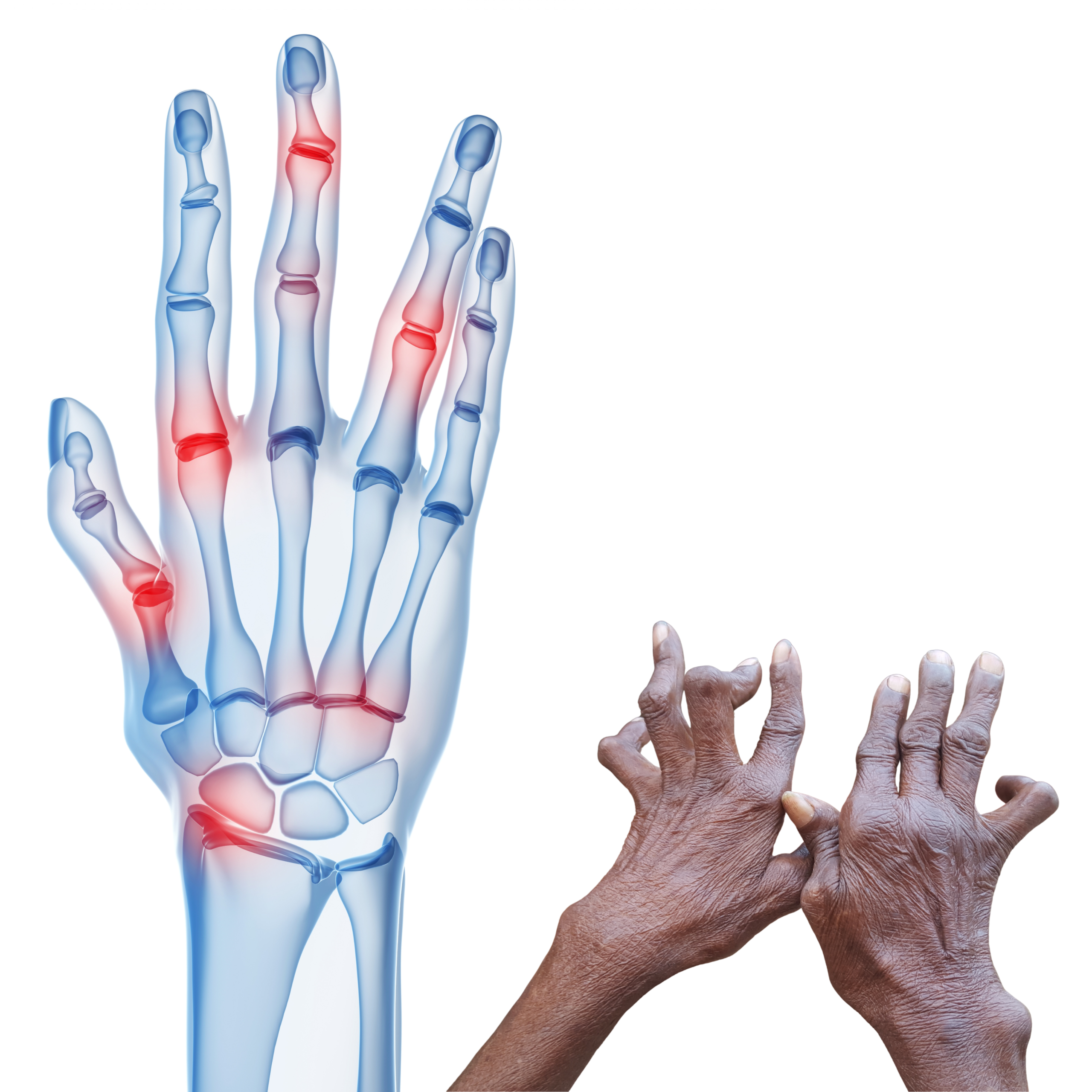
Arthritis Physiotherapy at Home in Delhi NCR
Personalized Physiotherapy for Arthritis Pain, Joint Stiffness & Reduced Mobility
Arthritis Physiotherapy at Home in Delhi NCR, Living with arthritis can make everyday movements difficult. Walking, climbing stairs, getting up from a chair, bending, exercising or even completing household activities may become uncomfortable when joint pain and stiffness affect your movement.
HealFast Physiotherapy provides personalized physiotherapy at home in Delhi NCR for people experiencing arthritis-related pain, stiffness, weakness and mobility limitations.
Our physiotherapy approach focuses on your movement, muscle strength, flexibility, balance and everyday functional goals rather than following the same exercise routine for everyone.
What We Can Help You Work On
✓ Joint mobility
✓ Muscle strength
✓ Flexibility
✓ Balance & stability
✓ Walking and functional movement
✓ Exercise confidence
✓ Daily activity performance
🏠 Physiotherapy at Your Home |👨⚕️ Individualized Treatment |📍 Selected Delhi NCR Locations
📞 +91 84487 77406
Home visits are subject to therapist availability and service-area coverage.
Why Choose Home Physiotherapy for Arthritis?
Travelling to a clinic can be difficult when joint pain, stiffness or mobility problems are already affecting your daily routine.
With home physiotherapy, your rehabilitation takes place in a familiar environment.
🏠 Arthritis Physiotherapy at Home in Delhi NCR
No need to travel to a clinic for every session. A physiotherapist can visit your home in eligible service areas.
🎯 Personalized Rehabilitation
Your treatment can be adjusted according to your symptoms, movement limitations, strength and functional goals.
💪 Focus on Strength & Mobility
A structured exercise program can help you work on muscle strength, joint movement and physical function.
🚶 Functional Movement Training
Treatment can focus on movements that matter in everyday life—walking, sitting, standing, stairs and transfers.
👴 Convenient for Older Adults
Home visits can be particularly convenient for people who have difficulty travelling because of mobility limitations.
📋 Progress-Based Approach
Your exercise and rehabilitation program can be adjusted according to your response and progress.
Regular physical activity is an important part of arthritis management and can help reduce pain and improve physical function.
Common Symptoms of Arthritis
Arthritis does not affect everyone in exactly the same way. Symptoms can depend on the type of arthritis, the joints involved and the individual’s overall condition.
Common symptoms may include:
Joint Pain
Pain may occur during movement, physical activity or certain daily activities.
Joint Stiffness
You may notice stiffness after periods of inactivity or when starting movement.
Reduced Range of Motion
The affected joint may not move as freely as it previously did.
Joint Tenderness
The joint may feel uncomfortable when touched or during certain movements.
Swelling
Some types of arthritis can cause visible swelling around affected joints.
Muscle Weakness
Reduced activity can contribute to weakness around an affected joint.
Difficulty Walking
Knee, hip, ankle or foot problems may affect walking ability.
Difficulty Climbing Stairs
Knee or hip symptoms may make stairs more challenging.
Difficulty Getting Up
Standing from a chair, bed or low surface may become difficult.
Reduced Physical Activity
Pain or stiffness may cause people to avoid activities they previously enjoyed.
Osteoarthritis commonly causes joint pain, stiffness and difficulty moving the affected joint, with knees, hips and small joints of the hands among commonly affected areas.
What Is Arthritis?
Arthritis is not one single disease. It is a broad term used for conditions that affect the joints and can cause symptoms such as pain, stiffness, swelling and movement limitations.
There are many types of arthritis, including:
- Osteoarthritis
- Rheumatoid arthritis
- Gout
- Juvenile arthritis
- Psoriatic arthritis
- Other inflammatory and joint-related conditions
The cause, symptoms and treatment approach can differ between these conditions.
For example, osteoarthritis is commonly associated with joint pain, stiffness and reduced movement. Rheumatoid arthritis is an inflammatory autoimmune condition that requires appropriate medical management alongside rehabilitation when indicated.
This is why an individualized assessment is important rather than assuming every person with “arthritis” needs the same treatment.
CDC notes that treatment depends on the type of arthritis and may include physical therapy, medication and, in some cases, surgery.
Which Joints Can Arthritis Affect?
Arthritis can affect different joints throughout the body.
🦵 Knee Arthritis
Knee arthritis may affect:
- Walking
- Stair climbing
- Squatting
- Sitting and standing
- Getting out of a chair
- Exercise
- Outdoor activities
Physiotherapy may focus on lower-limb strength, knee mobility, balance and functional movement.
🦴 Hip Arthritis
Hip arthritis may contribute to:
- Hip stiffness
- Walking difficulty
- Difficulty standing
- Reduced hip movement
- Difficulty putting on footwear
- Difficulty getting in or out of a chair
A physiotherapist may assess hip mobility, lower-limb strength and walking patterns.
🤲 Hand & Finger Arthritis
Hand arthritis can affect activities such as:
- Holding objects
- Writing
- Opening containers
- Using household items
- Grip-related tasks
Depending on the condition, rehabilitation may include appropriate movement and functional strategies.
💪 Shoulder Arthritis
Shoulder arthritis or other shoulder joint problems may affect:
- Reaching overhead
- Dressing
- Grooming
- Lifting objects
- Reaching behind the back
Treatment depends on the diagnosis and the individual’s movement limitations.
🦶 Foot & Ankle Arthritis
Foot and ankle symptoms may affect:
- Walking
- Balance
- Standing
- Foot movement
- Everyday mobility
A physiotherapist can assess movement, strength and functional limitations.
How Does Physiotherapy Help With Arthritis?
Physiotherapy for arthritis is generally focused on maintaining or improving physical function and helping you stay appropriately active.
A physiotherapist may work on several areas.
1. Improve Joint Mobility
Appropriate mobility exercises may help you maintain or improve comfortable movement.
2. Build Muscle Strength
Strengthening exercises can target muscles that support everyday movement.
For knee osteoarthritis, for example, physical therapy may use exercises to improve knee range of motion and strengthen supporting leg muscles.
3. Improve Flexibility
Where appropriate, stretching and mobility work may be included.
4. Improve Balance
Balance exercises can be useful when arthritis or reduced activity has affected stability.
5. Improve Walking
Treatment may include walking assessment and functional movement training where appropriate.
6. Improve Daily Function
The physiotherapist can work around activities that are important to you.
For example:
Pain → Reduced Activity → Weakness → More Difficulty Moving
The goal is to gradually and appropriately work toward:
Assessment → Movement → Strength → Function → Confidence
Exercise and regular physical activity are important components of osteoarthritis management, but exercise should be appropriate to the person’s condition and introduced progressively.
Our Arthritis Physiotherapy Treatment Approach
At HealFast Arthritis Physiotherapy at Home in Delhi NCR, treatment should begin with understanding the individual rather than simply assigning a generic arthritis exercise sheet.
Step 1 — Physiotherapy Assessment
The physiotherapist may assess:
- Pain
- Joint movement
- Muscle strength
- Flexibility
- Balance
- Walking
- Functional movements
- Physical activity
- Previous injuries
- Previous surgery
- Current limitations
- Rehabilitation goals
Step 2 — Identify Functional Problems
Instead of focusing only on pain, we look at what the condition is stopping you from doing.
For example:
“I cannot climb stairs comfortably.”
The assessment may look at:
- Knee/hip mobility
- Lower-limb strength
- Balance
- Movement technique
- Pain response
Step 3 — Personalized Treatment Plan
Your physiotherapist can create a rehabilitation plan based on the assessment.
It may include:
- Mobility exercises
- Strengthening
- Flexibility exercises
- Balance training
- Functional exercises
- Walking practice
- Home exercises
- Activity guidance
Step 4 — Progressive Exercise
Exercise should not simply be “more is better.”
The amount and intensity should be adjusted according to your condition, response and functional goals.
Starting slowly and increasing activity gradually is recommended for people with arthritis.
Step 5 — Monitor Your Response
Your physiotherapist can monitor:
- Pain response
- Movement
- Strength
- Exercise tolerance
- Functional ability
- Progress toward goals
The plan can then be adjusted when needed.
Knee Arthritis Physiotherapy at Home
Knee arthritis can make everyday activities challenging.
You may experience discomfort while:
- Walking
- Standing
- Climbing stairs
- Squatting
- Getting up from a chair
- Getting into or out of a car
- Exercising
How Physiotherapy May Help
A physiotherapist may focus on:
Knee Mobility
Maintaining or improving appropriate range of motion.
Quadriceps Strength
Strengthening muscles involved in supporting functional movement.
Hip & Lower-Limb Strength
Improving the strength required for walking and daily activities.
Balance
Improving stability when appropriate.
Functional Training
Practising movements such as sit-to-stand and stairs.
For knee osteoarthritis, AAOS notes that physical therapy exercises can improve knee range of motion and strengthen muscles supporting the joint.
[EXPLORE KNEE PAIN PHYSIOTHERAPY →]
Arthritis Exercises: What May Be Included?
There is no single exercise routine that is suitable for every arthritis patient.
Your physiotherapist may choose exercises based on your joint condition, strength, mobility and goals.
Mobility Exercises
Gentle movements designed to maintain or improve joint movement.
Strengthening Exercises
Exercises using body weight, resistance bands or other appropriate resistance may be used depending on your ability.
Balance Exercises
Useful when stability and confidence during movement are rehabilitation goals.
Flexibility Exercises
Stretching may be incorporated when appropriate.
Low-Impact Physical Activity
Depending on your condition, joint-friendly activities can include walking, cycling, swimming or water-based exercise.
CDC lists walking, cycling, swimming and other low-impact activities among joint-friendly options for people with arthritis.
Important
Do not copy a generic arthritis exercise routine from the internet if you have significant pain, recent surgery, major swelling, an acute injury or an undiagnosed joint problem.
Your exercise program should match your condition.
Potential Benefits of Arthritis Physiotherapy
A personalized physiotherapy program may help you work toward:
✓ Better Mobility
Work on comfortable movement of affected joints.
✓ Improved Muscle Strength
Support the muscles needed for everyday activities.
✓ Better Physical Function
Make movements such as walking, stairs and transfers easier.
✓ Improved Balance
Address stability and movement control where appropriate.
✓ Increased Activity
Gradually work toward a more active lifestyle.
✓ Better Exercise Confidence
Learn how to exercise safely according to your abilities.
✓ Improved Independence
Maintaining strength and mobility can support everyday independence.
Physical activity can reduce arthritis-related pain and improve physical function and quality of life.
Who Can Benefit From Arthritis Physiotherapy?
You may consider physiotherapy if arthritis or joint symptoms are affecting your:
- Walking
- Stairs
- Balance
- Exercise
- Household activities
- Work activities
- Sleep or comfort
- Strength
- Mobility
- Independence
Home physiotherapy can be particularly useful if travelling to a clinic is difficult.
Common Situations
People with knee arthritis
For pain, stiffness or reduced mobility.
Older adults
When joint problems affect independence or mobility.
People recovering from joint surgery
When physiotherapy is part of their post-operative rehabilitation plan.
People with reduced activity
When pain has resulted in weakness or reduced physical activity.
People with mobility limitations
When travelling to a clinic is challenging.
Arthritis Physiotherapy for Elderly Patients at Home
Arthritis can have a major effect on mobility and independence in older adults.
A person may gradually stop:
- Going for walks
- Using stairs
- Going outside
- Exercising
- Shopping independently
- Participating in family activities
Reduced activity can then contribute to further loss of strength and physical function.
Home Physiotherapy Can Focus On:
🧓 Safe Movement
Helping the patient understand appropriate movement strategies.
🚶 Walking
Working on walking ability where appropriate.
💪 Strength
Maintaining or improving functional strength.
⚖️ Balance
Balance training when indicated.
🪑 Sit-to-Stand
Practising everyday transfers.
🏠 Home-Based Function
Working around real-life activities inside the patient’s environment.
For older adults with arthritis, CDC recommends incorporating aerobic, muscle-strengthening and balance activities as appropriate.
How Does HealFast Home Physiotherapy Work?
1. Contact Us
Call or WhatsApp HealFast.
Tell us:
- Your location
- Your main symptoms
- Which joint is affected
- How long you’ve had the problem
- Whether you have a diagnosis
2. Location & Availability Check
Our team checks whether home physiotherapy is available in your location.
3. Schedule Your Visit
A suitable appointment is scheduled based on therapist availability.
4. Initial Assessment
The physiotherapist evaluates your movement, strength, mobility and functional limitations.
5. Personalized Treatment
A treatment and exercise plan is developed according to your needs.
6. Home Exercise Guidance
You may receive exercises and activity recommendations to continue between sessions.
7. Progress Review
Your treatment plan can be modified according to your progress and response.
Ready to Get Started?
📞 +91 84487 77406
Why Choose HealFast Physiotherapy?
🏠 Home-Based Physiotherapy
Get physiotherapy in the comfort of your home across eligible Delhi NCR locations.
👨⚕️ Experienced Physiotherapy Team
HealFast’s website currently lists physiotherapists including Dr. Bhavna Arya and Dr. Gaurav Kumar Arya, along with their professional qualifications and experience. Verify the team details on the live site before publishing exact experience claims. Arthritis Physiotherapy at Home in Delhi NCR.
🎯 Personalized Care
Your rehabilitation should be based on your condition, movement limitations and goals.
📋 Assessment First
Understanding your current physical condition helps determine the appropriate rehabilitation approach.
💪 Exercise-Based Rehabilitation
Exercise and physical activity are important components of arthritis management.
🏡 Convenient Home Sessions
No routine travel to a clinic for eligible home-visit locations.
📍 Delhi NCR Service Coverage
HealFast currently lists Delhi, Gurgaon/Gurugram, Noida, Ghaziabad and Faridabad for home visits, subject to coverage and availability.
Arthritis Physiotherapy at Home in Delhi NCR
HealFast provides home physiotherapy in selected locations across Delhi NCR.
Delhi
We serve eligible areas across Delhi, including:
- South Delhi
- West Delhi
- North Delhi
- Central Delhi
- East Delhi
- Rohini
- Pitampura
- Janakpuri
- Dwarka
- Rajouri Garden
- Punjabi Bagh
- Shalimar Bagh
- And nearby areas
Gurgaon / Gurugram
Home physiotherapy for eligible locations in Gurgaon/Gurugram.
Noida
Arthritis and joint rehabilitation at home in selected Noida areas.
Ghaziabad
Home physiotherapy for eligible locations in Ghaziabad.
Faridabad
Home physiotherapy services for eligible locations in Faridabad.
Not Sure If We Visit Your Area?
Call or WhatsApp us with your location.
📞 +91 84487 77406
When Should You Seek Medical Advice?
Physiotherapy can be part of arthritis management, but not every joint problem should be treated as arthritis without an appropriate diagnosis.
Seek medical evaluation if you have:
- Severe or rapidly worsening joint pain
- Significant swelling
- A hot or very red joint
- Fever with joint symptoms
- Sudden inability to put weight on a limb
- Recent major injury
- Sudden significant weakness
- New numbness or neurological symptoms
- Unexplained persistent symptoms
If you have not been diagnosed with arthritis but have persistent joint pain or stiffness, a healthcare professional can help determine the cause. NHS advises assessment for persistent osteoarthritis-type symptoms.
Frequently Asked Questions About Arthritis Physiotherapy
1. Can physiotherapy help with arthritis pain?
Physiotherapy and appropriate physical activity can help manage symptoms and improve physical function, particularly in conditions such as osteoarthritis. The treatment approach depends on the type and severity of arthritis.
2. Is arthritis completely curable?
There is no single cure for all forms of arthritis. Management depends on the specific type. Osteoarthritis, for example, is generally managed through exercise, lifestyle measures, symptom management and other treatments when required.
3. Can I get arthritis physiotherapy at home?
Yes. HealFast provides home physiotherapy in selected Delhi NCR locations, subject to therapist availability.
4. Is home physiotherapy suitable for elderly arthritis patients?
It can be a convenient option for people who find travelling difficult because of mobility limitations.
5. What exercises are good for arthritis?
Exercises can include mobility, strengthening, balance, flexibility and appropriate low-impact activities. The specific exercises should be selected according to the individual’s condition.
6. Can physiotherapy help knee arthritis?
Physiotherapy may help improve knee movement and strengthen muscles supporting the joint.
7. How many physiotherapy sessions will I need?
There is no fixed number that applies to everyone. It depends on your diagnosis, symptoms, goals, functional limitations and progress.
8. Can arthritis physiotherapy be done after knee replacement?
Physiotherapy is commonly part of rehabilitation following knee replacement, but the program should follow the surgical team’s and physiotherapist’s recommendations.
9. Should I exercise when my arthritis hurts?
Some discomfort can occur when beginning or increasing activity, but severe or worsening symptoms should not simply be pushed through. Start gradually and discuss significant symptoms with an appropriate healthcare professional.
10. Does arthritis only affect older people?
No. Arthritis includes many different conditions and can affect people of different ages.
11. Can arthritis affect walking?
Yes. Pain, stiffness, weakness or reduced joint movement can affect walking and other functional activities.
12. Can physiotherapy improve joint mobility?
Appropriate mobility exercises can help maintain or improve movement in suitable patients, depending on the underlying condition.
13. Can physiotherapy replace arthritis medication?
No. Physiotherapy is one component of arthritis management. Some people may also require medication or medical treatment depending on their condition.
14. Do I need a diagnosis before starting physiotherapy?
If you have unexplained or persistent joint symptoms, appropriate medical assessment may be important before assuming the cause is arthritis.
15. Which areas does HealFast cover?
HealFast currently lists Delhi, Gurgaon/Gurugram, Noida, Ghaziabad and Faridabad for home visits, subject to location and therapist availability.
Don’t Let Joint Pain Stop You From Moving
Arthritis-related pain and stiffness can gradually affect the activities you enjoy.
The goal of physiotherapy is not simply to treat a painful joint—it is to help you work toward better movement, strength, physical function and confidence in everyday activities.
Get Personalized Arthritis Physiotherapy at Home
✓ Individual Assessment
✓ Personalized Exercise Program
✓ Mobility & Strength Training
✓ Balance & Functional Training
✓ Home Physiotherapy in Selected Delhi NCR Areas
📞 Call HealFast
+91 84487 77406
💬 WhatsApp Us
Book Your Home Physiotherapy Assessment