Injury Rehabilitation at Home in Delhi NCR
An injury can affect much more than the body part that hurts. It can change the way you walk, stand, sit, climb stairs, exercise, work and perform simple activities at home. A person with an ankle injury may find it difficult to walk outside or stand for a long time. Someone with a knee injury may struggle while climbing stairs, getting up from a chair or squatting. A shoulder injury can make reaching, dressing, bathing or lifting objects uncomfortable. A muscle injury can affect running, walking, bending or exercise. Even when the initial pain starts to decrease, weakness, stiffness, poor balance and reduced confidence can continue to affect normal movement. Injury Rehabilitation focuses on helping a person gradually regain the movement, strength, flexibility, balance, coordination and physical confidence needed for daily activities. At HealFast Physiotherapy, we provide personalized Injury Rehabilitation at Home in Delhi NCR for suitable patients.
What Is Injury Rehabilitation?
Injury rehabilitation is a planned physiotherapy process that helps a person regain physical function after an injury. When an injury occurs, the body may respond with pain, swelling, stiffness and reduced movement. A person may naturally avoid movements that feel uncomfortable and may start using another part of the body more often. For example, after a right ankle injury, a person may place more weight on the left leg while walking. They may take shorter steps, avoid stairs and reduce outdoor activity. If this movement pattern continues, the right leg may become weaker and the person may develop less confidence while walking. Injury rehabilitation addresses these changes through appropriate movement, exercise and functional training. Depending on the condition, a physiotherapist may work on joint mobility, muscle strength, flexibility, balance, coordination and movement control. The rehabilitation plan should always match the injury and the person’s current physical condition.
Why Is Injury Rehabilitation Important After an Injury?
Many people think that recovery has finished once the pain becomes manageable. However, pain reduction does not always mean that the body has regained its previous strength, movement, balance and functional ability. For example, a person may recover from a knee injury enough to walk around the house but still struggle while climbing stairs, running, jumping or changing direction. Another person may recover from an ankle sprain and walk normally on a flat surface but feel unstable on an uneven road. These differences matter because everyday life and sports require the body to handle many different movements. Injury rehabilitation helps identify these remaining difficulties and works on them gradually. Instead of focusing only on whether pain has decreased, a physiotherapist can also look at how well the person moves, how much strength they have, how confidently they use the injured area and whether they can perform important daily activities.
How Can an Injury Change the Way You Move?
Your body often changes its movement automatically when an injury causes pain or weakness. This protective movement can help you avoid discomfort in the short term, but it can also affect your normal movement pattern if it continues for a long time. A person with knee pain may use the opposite leg more while standing from a chair. Someone with an ankle injury may walk with a limp. A person with shoulder pain may use the other arm for lifting and reaching. Someone with back pain may avoid bending and twisting. These changes can place different physical demands on other muscles and joints. For example, if you continue to avoid using one leg, the other leg may perform more work during walking and standing. A physiotherapist can observe these movement patterns and identify areas that need attention. Rehabilitation can then focus on restoring controlled.
Common Injuries That May Need Rehabilitation
Many injuries can affect movement and physical function, and physiotherapy may support recovery when it suits the condition. Common examples include ankle sprains, knee injuries, muscle strains, ligament injuries, shoulder injuries, sports injuries, back injuries, neck injuries, wrist injuries, elbow injuries, hip injuries and foot injuries. Some people also require rehabilitation after fractures once their doctor allows appropriate movement and exercise. Others may need physiotherapy after orthopedic surgery or another medical procedure. Each condition requires an individual approach. A person with a mild ankle sprain does not need the same rehabilitation program as someone recovering from ACL reconstruction. Similarly, a person with a muscle strain needs a different progression from someone recovering from a fracture. A proper assessment helps the physiotherapist understand the injury and select activities that match the person’s current abilities.
Sports Injury Rehabilitation
Sports activities place repeated demands on muscles, joints and the entire movement system. Running, jumping, landing, throwing, lifting, twisting and sudden changes in direction require good strength, mobility, balance and coordination. An injury can occur suddenly, such as when a football player twists an ankle while changing direction, or it can develop gradually after repeated training, increased running distance or excessive exercise load. Sports rehabilitation focuses on rebuilding the physical abilities required for the specific activity. A physiotherapist may work on mobility, muscle strength, balance, coordination, movement control and gradually increasing physical workload. For example, a badminton player may need good side-to-side movement, lunging control and quick changes of direction. A runner may need to rebuild walking and running capacity gradually. A football player may need to regain the ability to accelerate, stop, jump and change direction.
Knee Injury Rehabilitation
The knee plays an important role in walking, standing, sitting, climbing stairs, squatting, running and many sports activities. Because of this, a knee injury can affect both simple daily movements and more demanding physical activities. During rehabilitation, a physiotherapist may assess knee movement, leg strength, hip strength, balance, walking pattern and functional activities. For example, a person may walk comfortably on a flat surface but struggle while going downstairs. Going downstairs requires controlled bending and straightening of the knee and requires the surrounding muscles to control body weight. A person may also struggle to stand from a low chair because the injured leg does not yet have enough strength or control. Rehabilitation can gradually address these difficulties by connecting exercises with real-life movement. For people who want to return to sports, the later stages may involve more demanding activities when their condition allows.
ACL Injury Rehabilitation
An ACL injury can significantly affect knee stability and physical activity. Some people manage certain ACL injuries without surgery, while others require surgical reconstruction. The appropriate approach depends on the injury, individual circumstances and orthopedic advice. Rehabilitation may focus on restoring knee movement, rebuilding leg strength, improving balance and developing better movement control. A person may initially work on basic strength and controlled movements and later progress toward more demanding activities. Someone who wants to return to football, for example, may eventually need to practise running, stopping, jumping, landing and changing direction. These activities require more physical control than ordinary walking. Your orthopedic doctor and physiotherapist should guide the rehabilitation process, especially after ACL surgery.
Ankle Sprain Rehabilitation
An ankle sprain can occur when the ankle suddenly rolls, twists or moves beyond its normal range. Pain and swelling may make walking difficult during the early stage. As symptoms improve, a person may still experience stiffness, weakness or a feeling of instability. For example, someone may walk comfortably inside the house but feel uncertain while walking on an uneven road or stepping down from a curb. Rehabilitation can focus on ankle movement, lower-leg strength, balance and walking control. The physiotherapist may gradually increase the difficulty of exercises as the person’s ability improves. This approach helps connect rehabilitation with real-life movement instead of focusing only on simple exercises performed while sitting or lying down.
Muscle Strain Rehabilitation
A muscle strain can occur when a muscle experiences more force or stretch than it can currently manage. Running, jumping, lifting weights, sudden movements and sports activities can cause muscle strains. The person may experience pain, tightness, weakness or difficulty using the affected area. For example, someone with a thigh muscle strain may find it difficult to walk quickly, climb stairs or run. The person may also avoid certain movements because they expect pain. Rehabilitation can gradually restore movement and strength according to the person’s condition. The physiotherapist may begin with suitable low-load exercises and gradually increase the physical demand. The goal is to rebuild the muscle’s ability to handle the activities that the person wants to perform rather than simply waiting for the pain to disappear.
Shoulder Injury Rehabilitation
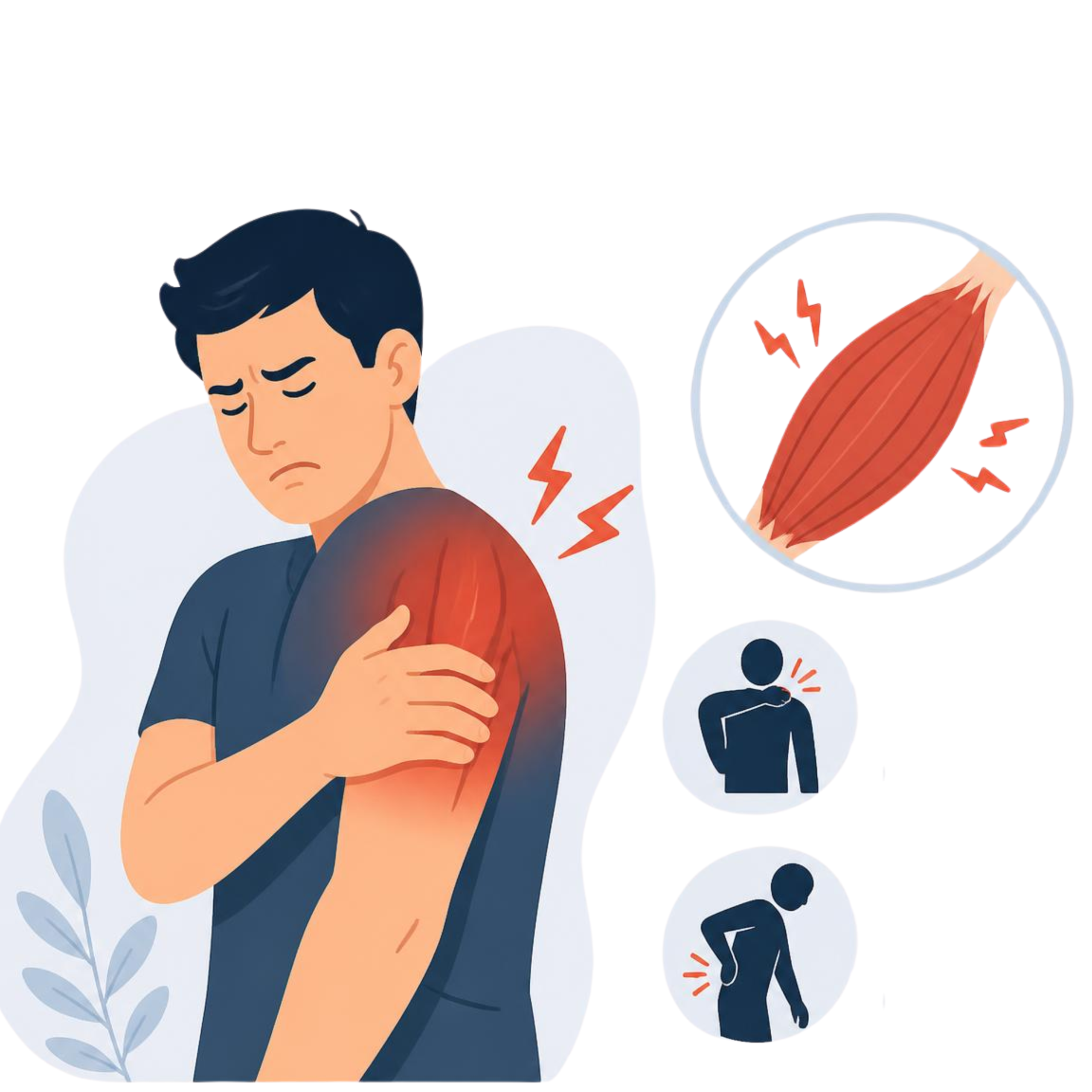
A shoulder injury can affect many everyday activities because the shoulder allows the arm to reach, lift, rotate and move in different directions. A person may struggle to put on a shirt, comb their hair, reach a shelf, lift an object or perform household activities. When shoulder movement becomes uncomfortable, people often start using the other arm more and reduce movement on the injured side. This can contribute to stiffness and weakness. During rehabilitation, the physiotherapist can assess available movement, muscle strength and functional limitations. The program may include appropriate mobility exercises and strengthening activities. For example, a person may initially work on controlled reaching movements and later practise suitable lifting activities. The rehabilitation goals should reflect the person’s lifestyle because an office worker, manual worker and athlete may all require different shoulder abilities.
Wrist, Hand and Elbow Injury Rehabilitation
Injuries involving the wrist, hand or elbow can affect many small activities that people often take for granted. Writing, typing, cooking, opening containers, holding a phone, carrying a bag and using tools can become difficult when movement or grip strength decreases. For example, a person may have reasonable wrist movement but still struggle to hold a bottle because the muscles do not yet have enough strength or endurance. This shows why rehabilitation should consider both movement and function. A physiotherapist can assess the person’s movement, strength and daily requirements and then create an appropriate rehabilitation plan. The exercises can gradually become more challenging as the person’s ability improves.
Hip Injury Rehabilitation
The hip supports walking, standing, climbing stairs and many lower-body movements. A hip injury can therefore affect both mobility and independence. A person may struggle to stand from a chair, get into a car, walk for longer distances or climb stairs. During rehabilitation, the physiotherapist may assess hip movement, leg strength, balance and functional movement. For example, if a person struggles to stand from a low chair, the physiotherapist may examine hip and leg strength and then introduce appropriate strengthening and functional exercises. The program can gradually become more challenging as the person develops better control and physical capacity.
Back Injury Rehabilitation
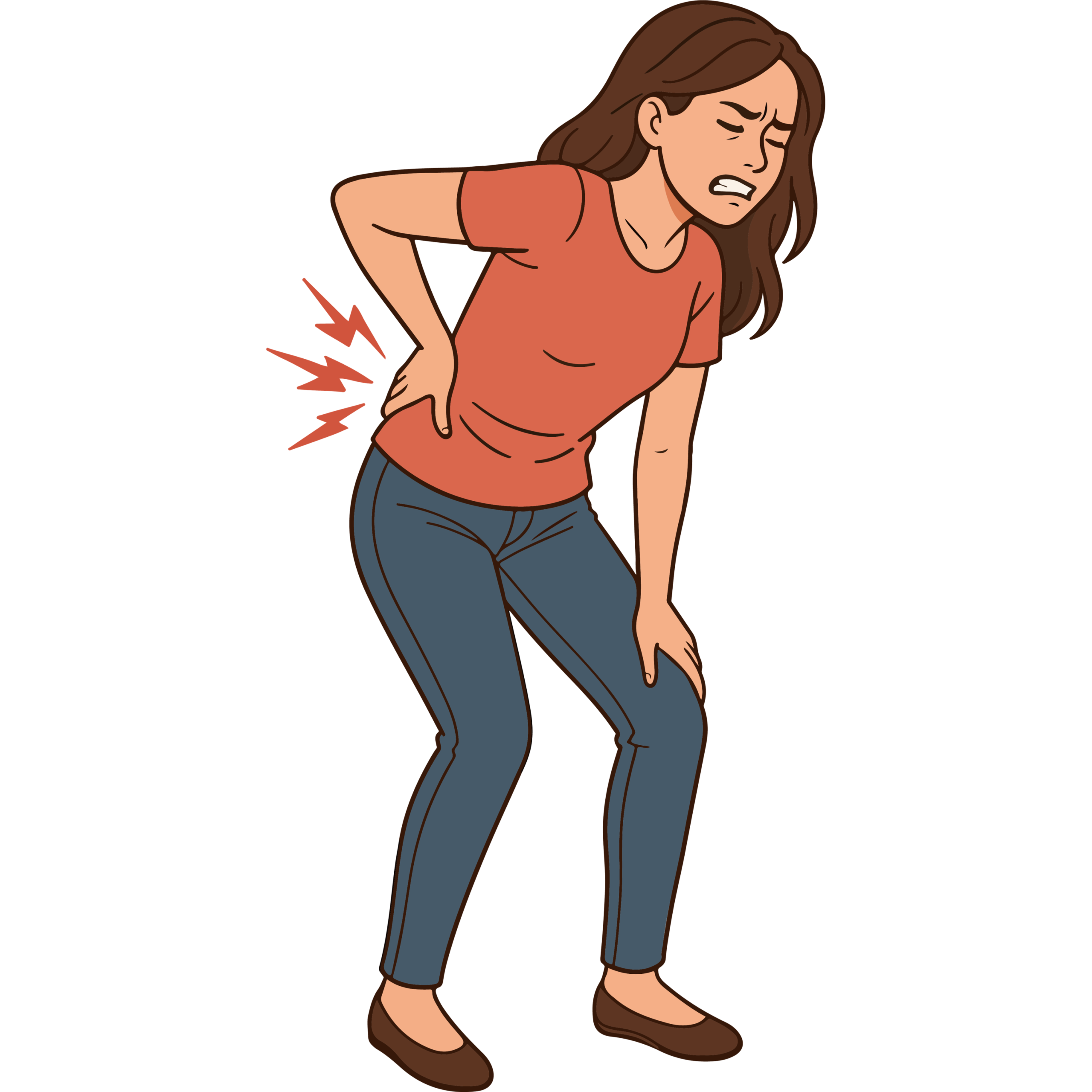
Back injuries and episodes of back pain can affect bending, lifting, sitting, standing and walking. After an injury, a person may become cautious about movement and may start avoiding activities such as bending or lifting. For example, someone who developed back pain while lifting a box may become afraid to bend forward even when they need to pick something up from the floor. Physiotherapy can help the person understand their movement limitations and gradually develop appropriate physical capacity when the condition allows. Depending on the cause, rehabilitation may include mobility exercises, strengthening, movement education and functional training. The physiotherapist should first consider whether the person’s symptoms require medical assessment before starting a rehabilitation program.
Neck Injury Rehabilitation
Neck injuries and movement problems can affect turning the head, looking up or down, driving, working at a computer and performing daily activities. A person may also develop stiffness after reducing normal neck movement. Depending on the underlying condition, physiotherapy may focus on suitable mobility exercises, strengthening and movement control. Work habits may also be discussed when they contribute to physical discomfort. For example, an office worker may need a rehabilitation plan that considers prolonged computer use, regular movement and upper-body strength. A person with a sports injury may have different requirements. Your physiotherapist can adapt the program to your specific situation.
Rehabilitation After a Fracture
A fracture requires careful medical management because the body needs time to heal the injured bone. Your doctor may restrict certain movements or weight-bearing activities during the healing process. Once your doctor allows physiotherapy, rehabilitation can help you work on stiffness, weakness, movement and functional activities. For example, after a lower-limb fracture, a person may initially use crutches or another walking aid. Later, the doctor may allow increased weight-bearing. At that stage, the physiotherapist can help the person gradually improve walking, strength and balance. You should always follow your doctor’s instructions after a fracture and avoid exercises that conflict with your medical restrictions.
Rehabilitation After Surgery
Some injuries require surgery, including certain ACL, ligament, tendon and orthopedic injuries. After surgery, the body needs time to heal and the rehabilitation process must respect the surgeon’s instructions. Your surgeon may provide specific guidelines about movement, weight-bearing, exercise and activity levels. Your physiotherapist can use these guidelines to create an appropriate rehabilitation program. Early rehabilitation may focus on suitable basic movement and physical control. Later stages may include strengthening, balance, functional movement and activity-specific exercises. A person who wants to return to sports may eventually need sport-specific training, while another person may simply want to walk comfortably and return to daily activities.
How Does Physiotherapy Help With Injury Rehabilitation?
Physiotherapy can address several physical problems that develop after an injury. The process usually begins with an assessment because the physiotherapist needs to understand how the injury affects your movement and daily activities. The physiotherapist may ask how the injury occurred, when your symptoms started, what movements cause difficulty and what activities you want to return to. The physical assessment may examine movement, strength, balance, flexibility, walking and functional tasks. Based on these findings, the physiotherapist can create a rehabilitation program that matches your current ability. The program may include mobility exercises, strengthening, balance training, movement retraining and functional activities. As your physical capacity improves, your physiotherapist can gradually increase the challenge.
Mobility and Flexibility During Injury Rehabilitation
Injuries can reduce normal movement because pain, swelling, stiffness and reduced activity can limit how much you use a joint or muscle. Mobility exercises can help you work on appropriate movement when your condition allows. For example, after an ankle injury, you may need to improve ankle movement before you can walk comfortably. After a shoulder injury, you may need controlled shoulder movements before you can reach overhead. Mobility and flexibility are related but they do not mean exactly the same thing. Flexibility mainly describes how much a muscle or soft tissue can lengthen, while mobility involves the ability of a joint or body segment to move with control. Rehabilitation therefore often combines mobility work with strength and movement control.
Strength Training During Injury Rehabilitation
Strength plays an important role in almost every daily movement. You need leg strength to stand from a chair, hip and trunk strength for many walking activities, and arm strength for reaching and lifting. An injury can reduce strength because you may use the affected area less. Your physiotherapist can gradually rebuild strength through appropriate exercises. For example, someone recovering from a knee injury may start with controlled strengthening exercises and later progress toward step-ups, squats or other functional movements. The physiotherapist can adjust resistance, repetitions and exercise difficulty according to the person’s response.
Balance and Coordination Training
Some injuries can affect balance and coordination, particularly injuries involving the ankle or lower limb. A person may feel stable while standing on a flat floor but feel less confident while walking on an uneven surface. They may also struggle when turning quickly or stepping down from a curb. Your physiotherapist can introduce balance exercises according to your current ability and gradually increase the challenge. Balance training can involve controlled weight shifting, standing activities, stepping movements and other functional tasks. The goal is to help you control your body during movements that you actually need to perform.
Functional Movement Rehabilitation
Functional rehabilitation connects physiotherapy exercises with real-life activities. Instead of focusing only on whether a muscle has become stronger, the physiotherapist also considers whether you can use that strength during normal activities. You may need to get out of bed, stand from a chair, walk to the bathroom, climb stairs, get into a car, carry suitable objects or return to work. An athlete may need to run, jump and change direction. A parent may need to move around the house and perform household activities. An office worker may need to sit, stand and walk around the workplace. Your rehabilitation plan should therefore reflect your actual lifestyle and goals.
Injury Rehabilitation for Older Adults
An injury can have a significant effect on an older adult’s independence. For example, an older person may fall and injure an ankle or knee and then become afraid of walking. They may spend more time sitting because they do not feel confident moving around. Reduced activity can further affect strength and physical confidence. When physiotherapy suits the condition, rehabilitation can focus on walking, balance, strength, transfers and practical daily movements. Home physiotherapy can provide an additional advantage because the physiotherapist can observe how the person moves around their actual home and can connect exercises with real-life activities.
Injury Rehabilitation for Office Workers
Office workers can experience difficulties after neck, back, shoulder or wrist injuries. A wrist injury may make typing uncomfortable. A shoulder injury may make reaching for files difficult. A back injury may make prolonged sitting uncomfortable. Rehabilitation can focus on the physical demands of the person’s work and daily routine. The physiotherapist may also discuss appropriate movement breaks, strengthening exercises and gradual increases in activity when these strategies suit the person’s condition. The goal involves helping the person manage useful work activities while gradually rebuilding physical capacity.
Injury Rehabilitation After Gym Workouts
People who regularly visit the gym often want to return to their previous exercise routine quickly after an injury. However, the body may not tolerate the same training load immediately after an injury. Suppose you normally perform heavy squats but develop a knee injury. Returning directly to your previous weight may place more demand on the recovering tissues than they can currently handle. A physiotherapist can help you rebuild strength and movement gradually. You can then increase the exercise load as your physical capacity improves. This approach can make the return to exercise more structured and practical.
Rehabilitation After Bed Rest or Reduced Activity
An injury, surgery or medical condition can sometimes reduce physical activity for several weeks. During this period, your muscles may become weaker and your overall activity tolerance may decrease. Simple tasks may then feel harder when you start moving again. For example, walking around the house for ten minutes may feel tiring after several weeks of limited movement. When your healthcare team allows activity, physiotherapy can help you gradually rebuild mobility, strength and activity tolerance. The program can start with manageable activities and progress according to your response.
Why Choose Home Injury Rehabilitation?
Home physiotherapy can help people who find travel difficult after an injury. Pain, weakness, reduced mobility or post-surgical restrictions may make travelling to a clinic uncomfortable. A home session also gives the physiotherapist an opportunity to understand how you move in your actual environment. For example, you may report difficulty walking, but the physiotherapist may notice that you mainly struggle while turning in a narrow hallway, stepping over a doorway or getting up from your sofa. These observations can help the physiotherapist connect treatment with your real daily needs.
What Happens During the First Home Physiotherapy Session?
Yourself first session usually begins with a detailed conversation about your injury and current difficulties.
Your physiotherapist may ask how the injury happened, when it occurred, what symptoms you experience, which movements cause problems and what activities you want to resume. Your previous treatment and relevant medical information may also be discussed. The physiotherapist can then assess appropriate movements, strength, balance, walking and functional tasks. After understanding your condition, the physiotherapist can explain the rehabilitation approach in simple language. You may learn specific exercises and movement activities that you can perform at home. The physiotherapist can also explain how to perform them correctly and what changes you should report.
How Do We Monitor Your Rehabilitation Progress?
Pain provides only one measure of progress. Your physiotherapist can also look at movement, strength, balance, walking ability, activity tolerance and functional performance. For example, you may initially need support when standing from a chair. After some rehabilitation, you may perform the same movement with better control. You may also notice that you can walk farther, climb stairs more easily, reach higher or return to an activity that you previously avoided. These changes can provide useful information about your rehabilitation. Your physiotherapist can use this information to adjust the exercise program and gradually increase the challenge.
How Long Does Injury Rehabilitation Take?
Every injury has a different recovery process, so one fixed timeline cannot apply to everyone. A mild muscle strain does not have the same rehabilitation needs as an ACL injury, fracture or major orthopedic injury. Your recovery can depend on the type and severity of the injury, the treatment you receive, your general health, your activity level, medical restrictions and the way your body responds to rehabilitation. Instead of promising a specific number of days or sessions, your physiotherapist can monitor your progress and adjust the rehabilitation program according to your actual physical improvements.
Can You Exercise During Injury Rehabilitation?
Exercise often plays an important role in rehabilitation, but you should not assume that every exercise suits every injury. Your physiotherapist can select exercises according to your current condition and rehabilitation stage. Some injuries may require protection or medical assessment before you begin certain movements. As your physical capacity improves, your physiotherapist can gradually increase exercise difficulty, resistance, repetitions or functional demand. The goal involves rebuilding your ability to perform useful movements rather than simply completing a fixed list of exercises.
When Should You See a Doctor?
Some injuries need medical assessment before you start routine physiotherapy. You should seek appropriate medical care if you experience severe pain after major trauma, suspected fracture, visible deformity, rapidly increasing swelling, significant loss of function, unexpected inability to bear weight, new weakness or loss of sensation. Severe chest pain or difficulty breathing requires urgent medical attention. If you do not know the cause of your symptoms or you feel unsure about whether home physiotherapy suits your condition, a healthcare professional should assess you first.
Frequently Asked Questions
Can physiotherapy help after a sports injury?
Yes. Physiotherapy can support rehabilitation after many sports injuries. Your physiotherapist may work on mobility, strength, balance, coordination, movement control and sport-specific activities according to your injury and rehabilitation goals.
Can I get Injury Rehabilitation at home?
Yes. Home physiotherapy can suit many movement-related injuries. Your physiotherapist can assess your condition at home and create a rehabilitation plan around your physical abilities, daily routine and home environment.
Is Injury Rehabilitation only for athletes?
No. Injury rehabilitation can help many people. You may need rehabilitation after a fall, household injury, work-related injury, muscle strain, joint injury or orthopedic procedure. The rehabilitation plan should match your individual condition.
Can physiotherapy help after an ACL injury?
Physiotherapy often forms an important part of ACL rehabilitation. Your program may include strength training, mobility exercises, balance work, movement control and progressive functional activities. Your orthopedic doctor and physiotherapist should guide the rehabilitation process after surgery.
Can I exercise immediately after an injury?
You should not assume that every injury needs immediate exercise. The appropriate activity depends on the injury, severity, recovery stage and medical advice. Your physiotherapist can guide you regarding suitable movements and exercises.
Can Injury Rehabilitation help with stiffness?
Physiotherapy may help address stiffness when the underlying condition allows movement and exercise. Your physiotherapist can assess the cause of stiffness and select suitable mobility and movement exercises.
How many physiotherapy sessions will I need?
The number of sessions varies from person to person. Your injury, rehabilitation goals, progress and ability to continue appropriate exercises at home can influence the number of sessions.
Can I return to sports after Injury Rehabilitation?
Rehabilitation can form part of your return-to-sport process. Your physiotherapist can gradually work on strength, mobility, balance, coordination and sport-specific movement. Your readiness depends on your injury and physical recovery.
Injury Rehabilitation at Home in Delhi NCR
An injury can affect your physical ability, confidence, independence, work and exercise routine. The right rehabilitation approach can help you gradually rebuild the physical abilities that you need for everyday life. At HealFast Physiotherapy, we provide personalized Injury Rehabilitation at Home in Delhi NCR for suitable patients. We assess your condition, understand your goals and create a rehabilitation approach around your individual needs. Depending on your condition, your program may include mobility training, strengthening exercises, flexibility work, balance training, coordination exercises, movement retraining and functional rehabilitation. If an injury has made walking, climbing stairs, exercising, working or performing daily activities difficult, a professional assessment can help you understand the next appropriate step.
HealFast Physiotherapy
📞 Book a Home Physiotherapy Assessment: +91 84487 77406
Injury Rehabilitation at Home in Delhi NCR — personalized physiotherapy focused on mobility, strength, movement and functional recovery.Related services: Knee Pain Physiotherapy | Joint Pain Physiotherapy | Muscle Pain Treatment | Post-Surgery Physiotherapy | Mobility & Movement Therapy | Back Pain Physiotherapy