Cupping Therapy at Home in Delhi NCR
Cupping Therapy at Home in Delhi NCR, Cupping therapy is a hands-on treatment technique that uses gentle suction on the skin. A physiotherapist may use it as part of a wider treatment plan for selected muscle pain, stiffness, and movement problems. The cups create a lifting effect on the skin and the tissues below it. This sensation feels different from massage because the cup pulls the skin upward instead of pressing down. Your physiotherapist chooses the cup type, suction level, placement, and treatment time based on your condition, comfort, and treatment goals. Cupping does not suit every person or every health problem, so a proper assessment should come first.
At HealFast Physiotherapy, cupping therapy can form part of a personalized physiotherapy plan at home in Delhi NCR when the setting and your condition make home treatment suitable. The physiotherapist first understands your symptoms and daily activities. They then decide whether cupping may add value to your treatment. The plan may also include exercise therapy, mobility work, manual therapy, stretching, strengthening, posture training, or other physiotherapy methods.
What Is Cupping Therapy?
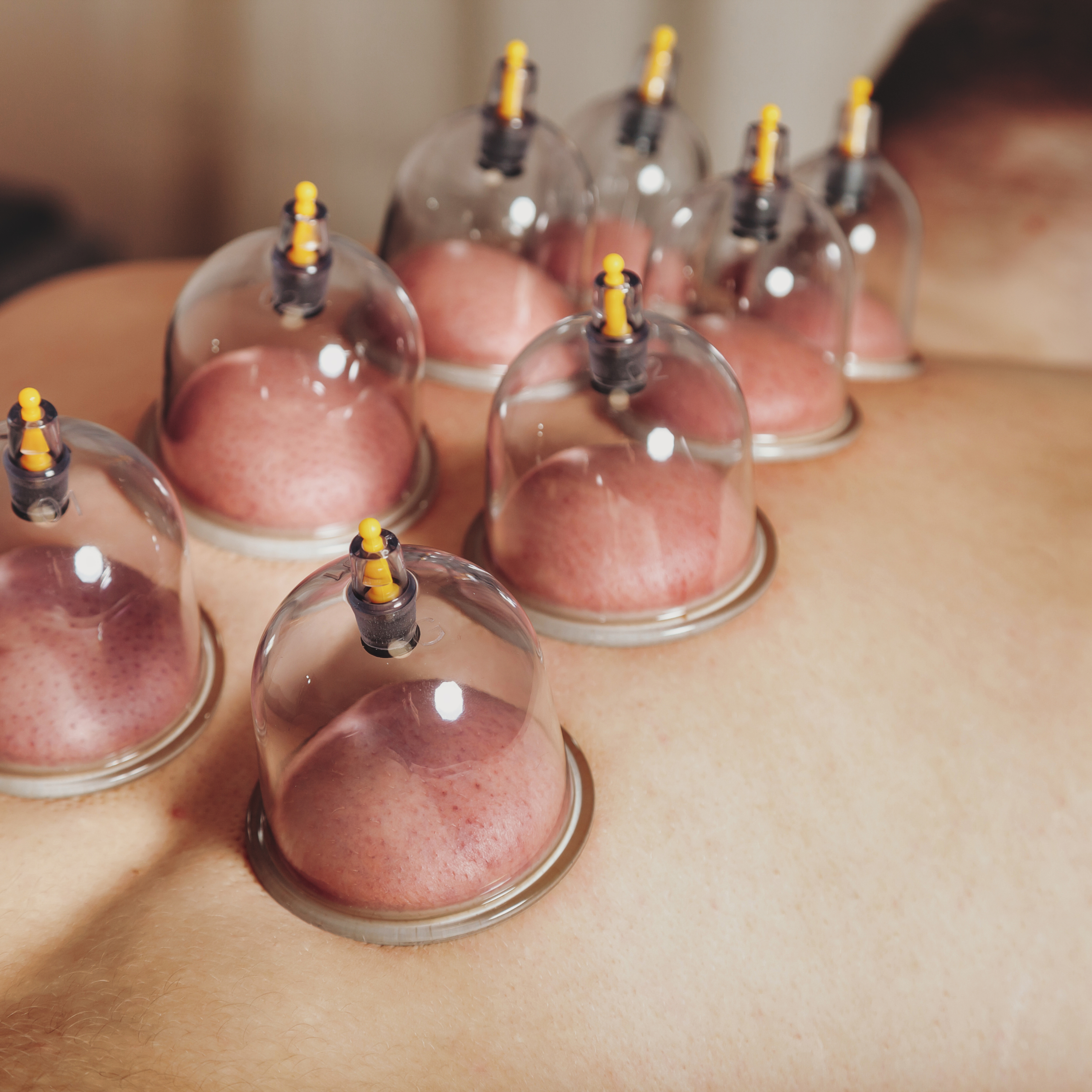
Cupping therapy uses cups that create suction against the skin. The suction lifts the skin and may create a temporary pulling sensation in the treated area. Different types of cups and techniques exist, and the physiotherapist selects the method based on the person’s needs. Some treatments use cups for a short period, while some techniques involve moving the cup across the skin with suitable lubrication.
People often associate cupping with the round marks that can appear after treatment. These marks happen because the suction can increase blood flow near the skin and cause small blood vessels to leak under the skin. The marks can look like bruises, but they do not mean that the treatment removed toxins or damaged the body. They usually fade with time. Your physiotherapist should explain what you may notice after treatment so you know what to expect.
Cupping works best when you view it as one possible part of physiotherapy rather than a complete treatment on its own. For example, a person with shoulder stiffness may receive cupping for selected soft tissues and then perform shoulder movement exercises. Another person with muscle tightness may receive a short cupping session followed by stretching and strengthening. This combined approach allows the therapist to work on both symptoms and movement. Cupping Therapy at Home in Delhi NCR.
Why Do Physiotherapists Use Cupping Therapy?
Physiotherapists may use cupping as an additional technique for selected pain and movement problems. The suction can create a strong sensory input in the treated area. Some people also report a feeling of reduced tightness or easier movement after treatment. However, results can vary from person to person, and research does not support the same level of benefit for every condition.
A physiotherapist should not use cupping simply because a patient asks for it. They should first understand the problem and check whether the technique is appropriate. If your main problem comes from a joint injury, nerve problem, serious inflammation, fracture, infection, or another medical condition, you may need a different form of care. Your physiotherapist can also guide you toward a doctor when your symptoms need medical assessment.
How Does Cupping Therapy Work?
The cup creates negative pressure against the skin. This pressure lifts the skin and superficial tissues. The sensation can change how the area feels during and shortly after treatment. Some people describe the feeling as pulling, stretching, warmth, or mild pressure.
The body also responds to the physical stimulus from the cup. The treated area may show temporary redness or circular marks. These changes can happen because the suction affects small blood vessels close to the skin. The exact reason some people feel short-term pain relief or easier movement after cupping remains an area of research, and the effect can differ between people.
Cupping should not replace a full assessment. If you have ongoing pain, the physiotherapist should look at movement, strength, posture, activity levels, and other possible causes. This wider assessment helps the therapist choose a safer and more useful treatment plan.
Cupping Therapy for Muscle Pain
Muscle pain can develop after exercise, repetitive work, poor movement habits, sudden activity changes, or an injury. You may notice soreness when you press the area or move it. You may also feel stiffness after sitting for a long time or after intense physical activity.
A physiotherapist may use cupping over selected muscles when it fits the treatment plan. For example, they may use it around certain areas of the back, shoulder, thigh, calf, or other soft tissues. The therapist controls the suction and treatment time based on your response. They may then use gentle movement, stretching, or strengthening exercises to help you move more comfortably.
The goal should not simply focus on making the muscle feel better for a short period. The therapist should also look at why the problem developed. If repeated gym activity causes muscle pain, the plan may include changes in exercise technique and load. If long hours at a desk contribute to discomfort, the therapist may also work on posture, movement breaks, and strength.
Cupping Therapy for Back Pain
Back pain can have many causes. Muscle strain, joint problems, poor movement habits, prolonged sitting, physical overload, and some medical conditions can all contribute to back pain. Because the cause differs between people, treatment should also differ.
A physiotherapist may consider cupping for selected muscular areas when the assessment supports its use. The treatment may focus on muscle discomfort while the wider physiotherapy plan works on movement and function. For example, you may perform controlled spine movements, hip exercises, core strengthening, or activity-specific exercises after the cupping session.
Cupping cannot diagnose the cause of back pain. It also should not delay medical care when back pain comes with serious warning signs such as new bladder or bowel problems, numbness around the groin area, significant weakness, major trauma, fever, or severe unexplained pain.
Cupping Therapy for Neck Pain
Neck pain often affects people who spend many hours using computers, phones, or other devices. Repetitive movements, prolonged positions, muscle strain, and other factors may contribute to neck discomfort. Some people also notice stiffness when they turn their head or look up and down.
A physiotherapist may use cupping around selected neck and upper-back muscles when appropriate. The therapist should use extra care around the neck because this area contains important blood vessels, nerves, and other structures. The treatment should always match the person’s condition and should not cause excessive discomfort.
The therapist may combine cupping with neck mobility exercises, upper-back movement, shoulder strengthening, and advice about daily positions. This approach can help address the movement problems that may contribute to recurring symptoms.
Cupping Therapy for Shoulder Pain
Shoulder pain can make simple tasks difficult. You may struggle to reach a shelf, put on a shirt, lift an object, or sleep comfortably. Shoulder pain can come from many different causes, including muscle problems, tendon problems, joint stiffness, injury, or problems that need medical assessment.
Cupping may form part of physiotherapy for selected soft-tissue problems. Your physiotherapist may use it around appropriate muscles and then assess how your shoulder moves. If the shoulder remains stiff or weak, the treatment plan may include mobility exercises and gradual strengthening.
For example, someone with shoulder stiffness may need gentle range-of-motion work. Someone recovering from an injury may need progressive strength and stability training. Cupping alone cannot replace these important parts of rehabilitation.
Cupping Therapy for Sports and Gym Injuries
Sports and gym activities place repeated demands on muscles and joints. A sudden increase in training, poor technique, inadequate recovery, or an injury can cause pain and stiffness. Athletes may want to return to activity quickly, but the treatment should still match the injury and recovery stage.
A physiotherapist may use cupping as an additional technique when appropriate. They may then work on mobility, strength, balance, coordination, and sport-specific movement. The therapist can also help you understand how to increase training load safely.
For example, a runner with calf tightness may need more than a soft-tissue technique. The physiotherapist may assess running load, calf strength, ankle movement, footwear, recovery, and training habits. The final plan can then address the factors that may contribute to repeated symptoms.
Cupping Therapy for Muscle Tightness
Many people describe an area as “tight” when it feels stiff, restricted, sore, or difficult to move. Muscle tightness can happen after exercise, long periods of sitting, repetitive work, or changes in activity. It can also occur along with other problems.
Cupping may provide a different sensory stimulus to the area and may help some people feel temporary changes in discomfort or movement. Your physiotherapist may follow the treatment with stretching or active movement. This gives you an opportunity to use the improved movement rather than relying only on passive treatment.
If tightness keeps returning, the therapist should look for possible contributing factors. These may include weakness, limited joint movement, poor movement control, sudden increases in activity, or long periods without movement.
Cupping Therapy and Exercise Therapy
Exercise remains an important part of many physiotherapy plans. Cupping may help prepare an area for movement in selected cases, but exercise can help build the strength, control, and confidence needed for everyday activities.
For example, a person with knee discomfort may receive treatment for selected soft tissues and then perform controlled strengthening exercises. A person with shoulder stiffness may work on shoulder movement and then practice strengthening. Someone recovering from a sports injury may need progressive exercises that match their sport.
This combination gives treatment a clear purpose. The therapist can use cupping as one tool while exercise helps develop longer-term movement capacity.
Cupping Therapy and Manual Therapy
Cupping and manual therapy both involve hands-on treatment, but they use different methods. Manual therapy may involve techniques such as soft-tissue work or joint movement techniques. Cupping uses suction from cups placed on the skin.
A physiotherapist may use either technique or both, depending on the assessment. The choice should depend on the person’s symptoms, treatment goals, medical history, and response to treatment. The therapist should not use more techniques simply to make a session feel more intensive.
What Happens During a Cupping Therapy Session?
The session usually starts with an assessment. Your physiotherapist asks about your symptoms, activity level, previous injuries, medical history, and treatment goals. They may check your movement, strength, posture, balance, or other physical functions.
If cupping suits your condition, the therapist explains the technique before starting. They place suitable cups on selected areas and control the suction level. You may feel pulling or pressure on the skin. The therapist watches your response and adjusts the treatment when needed.
After removing the cups, the therapist may check your movement again. They may then add exercises, mobility work, stretching, strengthening, or other physiotherapy techniques. This reassessment helps connect the treatment with your actual movement and function.
Does Cupping Therapy Hurt?
Cupping can feel unusual because the cup pulls the skin upward. Some people feel mild pressure or tightness during treatment. Strong pain should not form the goal of treatment.
You may notice temporary redness, tenderness, or circular marks after the session. Your response can vary based on the suction level, treatment area, skin sensitivity, and individual factors. Tell your physiotherapist if the sensation feels too strong or uncomfortable.
What Marks Can Appear After Cupping?
Cupping can leave round red, purple, or darker marks on the skin. These marks can look similar to bruises. They happen because suction can affect small blood vessels beneath the skin.
The marks can remain for several days and sometimes longer. Their appearance varies from person to person. The presence of a darker mark does not prove that the treatment worked better. A physiotherapist should focus on your symptoms, movement, function, and overall treatment goals rather than the appearance of the skin.
Is Cupping Therapy Safe?
Cupping can cause temporary skin marks, mild soreness, irritation, or small areas of bleeding depending on the technique. Some people may develop skin irritation or discomfort. More serious problems can occur in some situations, especially when practitioners use inappropriate techniques or when a person has certain health conditions.
For this reason, a trained professional should assess you before treatment. The therapist should use clean equipment and follow appropriate hygiene practices. Tell your physiotherapist about medicines, medical conditions, skin problems, recent surgery, and other relevant health information before treatment.
Who Should Take Extra Care With Cupping?
Cupping does not suit everyone. Your physiotherapist may avoid or modify treatment if you have certain skin conditions, an active infection, problems with blood clotting, or other factors that increase the risk of bleeding or skin injury. People who take blood-thinning medicines may also need extra care.
Pregnancy also requires individual assessment. Some treatment areas and techniques may not suit pregnant people. Always tell your physiotherapist if you are pregnant or think you may be pregnant.
If you have a serious or unexplained medical problem, seek appropriate medical advice before starting cupping. Your physiotherapist can help you understand when a doctor should assess your symptoms first.
Cupping Therapy at Home in Delhi NCR
Home physiotherapy can make treatment easier for people who find travel difficult or prefer treatment in their own environment. A physiotherapist can assess your movement and provide treatment at home when the setting is suitable and safe.
During a home session, the therapist can also understand some of your daily challenges. For example, they may see how you sit at your work desk, move from a chair, climb stairs, or perform exercises in your available space. This information can help them make the rehabilitation plan more practical.
HealFast provides home physiotherapy services across selected areas of Delhi NCR. Cupping therapy can form part of a wider physiotherapy plan when your assessment supports its use.
Cupping Therapy for Office Workers
Office workers often spend long periods sitting and using computers. Limited movement during the day can contribute to stiffness and discomfort in some people. Neck, shoulder, upper-back, and lower-back symptoms are common reasons people seek physiotherapy.
Cupping may form part of treatment for selected muscle-related symptoms. However, the therapist should also look at your workstation, movement habits, exercise routine, and strength. Small changes such as regular movement breaks, better screen height, and simple exercises may help support your treatment plan.
Cupping Therapy for Older Adults
Older adults may experience changes in strength, balance, joint movement, and activity levels. Pain or stiffness can make people move less, which can then reduce physical activity even more. A physiotherapist can assess these changes and create a safe movement plan.
Cupping may suit some older adults, but the therapist needs to consider skin health, medicines, circulation, medical conditions, and bleeding risk. Exercise and functional training often remain important parts of the plan. The goal should focus on safe movement and daily function rather than the treatment technique itself.
How Many Cupping Therapy Sessions Do You Need?
There is no single number of sessions that works for everyone. Your needs depend on the cause of your symptoms, your treatment goals, your response to treatment, and the other parts of your rehabilitation plan.
Some people may notice short-term changes after one session, while others may need a broader physiotherapy program. Your physiotherapist can review your progress and decide whether cupping should continue, change, or stop. Regular reassessment helps prevent unnecessary treatment.
Can Cupping Therapy Replace Physiotherapy?
Cupping should not automatically replace a complete physiotherapy program. Pain can have many causes, and treatment should address the factors that affect your movement and function.
A physiotherapy plan may include assessment, education, exercise, mobility training, strengthening, balance work, manual techniques, and activity advice. Cupping may form one part of this plan when appropriate.
For example, if you have recurring shoulder pain, simply treating the painful area may not address weakness or movement control problems. A broader plan can help the therapist understand the problem and work toward better daily function.
What Should You Do After Cupping Therapy?
Your physiotherapist will guide you based on your treatment and condition. You may notice temporary tenderness or skin marks. Gentle movement can often form part of normal activity, but your therapist may suggest specific exercises or temporary changes to activity.
Avoid making assumptions that more soreness means a better result. If you develop unusual or severe symptoms after treatment, contact an appropriate healthcare professional.
When Should You See a Doctor?
Not every pain problem needs physiotherapy first. Seek medical assessment when pain follows major trauma, becomes severe without a clear reason, or comes with symptoms such as significant weakness, loss of sensation, fever, chest pain, breathing difficulty, or other concerning changes.
You should also seek medical care when you suspect a fracture, serious infection, or another condition that requires urgent evaluation. Physiotherapy works best when the treatment matches the actual cause of the problem.
Why Choose HealFast for Cupping Therapy?
HealFast focuses on assessment-led physiotherapy rather than using one technique for everyone. Your physiotherapist first understands your symptoms, movement, daily activities, and treatment goals. When cupping fits your needs and the home setting is suitable, the therapist can include it as part of your personalized treatment plan.
The treatment may also include exercise therapy, mobility training, strengthening, manual therapy, posture advice, balance work, and functional rehabilitation. This approach helps connect the session with the activities that matter in your daily life.
If you want to explore cupping therapy at home in Delhi NCR, you can contact HealFast Physiotherapy at +91 84487 77406 for an assessment.
Frequently Asked Questions
What is cupping therapy in physiotherapy?
Cupping therapy uses cups to create suction on the skin. A physiotherapist may use it as one part of treatment for selected muscle pain, stiffness, and movement problems.
Can cupping therapy help with muscle pain?
Cupping may help some people experience short-term changes in pain or muscle comfort. Results vary, and your physiotherapist should assess the cause of your symptoms before using it.
Can cupping therapy help back pain?
Cupping may form part of physiotherapy for selected muscular back pain. Exercise, movement training, and other treatment methods may also play an important role.
Can cupping therapy help neck pain?
A physiotherapist may use cupping for selected neck and upper-back muscle problems. The therapist should assess the neck carefully because important nerves and blood vessels run through this area.
Is cupping therapy painful?
Cupping usually creates a pulling or pressure sensation. Mild tenderness can occur. Tell your physiotherapist if the treatment feels uncomfortable or painful.
Why does cupping leave round marks?
Suction can affect small blood vessels close to the skin. This can create temporary red, purple, or darker circular marks that look similar to bruises.
Is cupping therapy safe?
Cupping can have side effects such as temporary marks, soreness, skin irritation, and minor bleeding depending on the technique. A trained professional should assess whether it suits you.
Can I get cupping therapy at home?
Yes, cupping can form part of a home physiotherapy session when your condition and home environment make the treatment appropriate and safe.
How many cupping sessions do I need?
There is no fixed number. Your physiotherapist can review your symptoms, movement, progress, and treatment goals before deciding whether further sessions may help.
Does cupping replace exercise therapy?
No. Cupping does not automatically replace exercise. Many rehabilitation plans use exercise to improve strength, mobility, movement control, and function.
Can cupping help sports injuries?
A physiotherapist may use cupping as an additional technique for selected sports-related muscle problems. Sports rehabilitation should also address strength, mobility, balance, movement control, and gradual return to activity.
Can older adults receive cupping therapy?
Some older adults may receive cupping, but the physiotherapist should consider skin health, medicines, bleeding risk, circulation, and other medical factors before treatment.
Start Cupping Therapy at Home in Delhi NCR
Cupping therapy can be a useful treatment option for selected muscle and movement problems when a trained physiotherapist considers it appropriate. The most useful approach does not focus only on the cup marks or short-term sensations. It looks at your pain, movement, strength, daily activities, and the factors that may contribute to the problem.
If you are looking for cupping therapy at home in Delhi NCR, contact HealFast Physiotherapy at +91 84487 77406 to discuss your symptoms and arrange a physiotherapy assessment.
Related Physiotherapy Services
Cupping therapy can form part of a personalized physiotherapy plan for selected pain, muscle tightness, stiffness, and movement problems. Depending on your condition, your physiotherapist may also recommend other treatments to support mobility, strength, and daily function.
Explore our related services: